






What's New
Oct 23, 2026
The Guidance Session video is now available. The FAQ has also been updated.
Oct 15, 2026
Application Deadline Extended; Web Simulator Version 1.0 and Beginner Course Rulebook Released
Second Kibo-RPC Guidance Session will be held.
Date: Oct. 21, 2026 (Wednesday) 18:00-19:00 (JST)
Held with the Zoom conference system.
7th Kibo-RPC Guidance Session Registration Form
The Beginner Course Rulebook is now available on the Download page.
The Rulebook has also been updated.
How to Join the Kibo-RPC
Entry Qualification
- 1Students up to graduate school in a Kibo-RPC participating countries/region under the framework of Kibo-ABC may apply for the competition.
Kibo-RPC participating country/region(as of Jul. 06, 2026)
- Australia(ASA/OGL)
- Bangladesh(STEMX365)
- Cambodia(MPTC)
- Indonesia(BRIN)
- Japan(JAXA)
- Malaysia(MYSA/National Planetarium of Malaysia)
- Nepal(NESARC)
- Philippines(PhilSA)
- Singapore(SF)
- Taiwan(TASA)
- Thailand(NSTDA)
- Vietnam(VNSC)
- 2The team shall be comprised of a minimum of 3 team members. Some participating countries/region may set own minimum and maximum numbers of team members. For details, please check with the local organizer(s) in your country/region.
- 3Students from countries not listed above may be eligible to participate through the UNOOSA international slot. Call for Participation for the UNOOSA slot will open soon. Please check our site or the UNOOSA homepage.
Application Process
- 1Please carefully read the Kibo-RPC Guidebook.
- 2Please fill out the application form in your language for the Kibo-RPC and submit it to the point of contact (POC) in your country/region as listed below.
- 3The Kibo-RPC POC will inform you of your team ID via email.
The application deadline is
Nov 04, 2026 (14:59)
in each country's standard time.Kibo-RPC point of contact (POC)
Australia



One Giant Leap Australia

Bangladesh


Mizanul H. Chowdhury

Cambodia

Ms. Korm Sornya
 Mr. Dork Nam

Mr. Dork NamIndonesia


Happy Rumiris Simanungkalit
 Dessi Marlia

Dessi MarliaJapan
Kibo-RPC Secretariat

Malaysia


MYSA POC Kibo-RPC
 National Planetarium POC Kibo-RPC (Beginner Course)
Dr. Jong Tze Kian
 Nur' Fazilah binti Mohamad Hanafiah

National Planetarium POC Kibo-RPC (Beginner Course)Dr. Jong Tze Kian
Nur' Fazilah binti Mohamad HanafiahNepal



Philippines


Mr. Marco Melgar


Singapore


Ewanne Dumaguing
 Rohini Parthasarathy

Rohini ParthasarathyTaiwan


Ms. Hsin-Chi Huang (Kiki)
黃新淇

黃新淇
Thailand



Vietnam

Phạm Hồng Quân
 Phạm Văn Bạch Ngọc

Phạm Văn Bạch NgọcUNOOSA


UNOOSA Access to Space for All Team

Guidance Movie
You can watch the video about the tournament.
This video is a recording of the Guidance Session (online) held on Oct 21, 2026.
Schedule
Jul 2026
Call for Participation
Application and Self-learning
Oct 2026
Release of Simulation Environment
Program Development
Jan 2027
Preliminary Round
Programming Modification
Apr 2027
ISS Final Round Run
Organize the Results
Jun 2027
Final Round Event
Game Story
Mission: Crisis on the ISS. Track down the invisible anomaly*
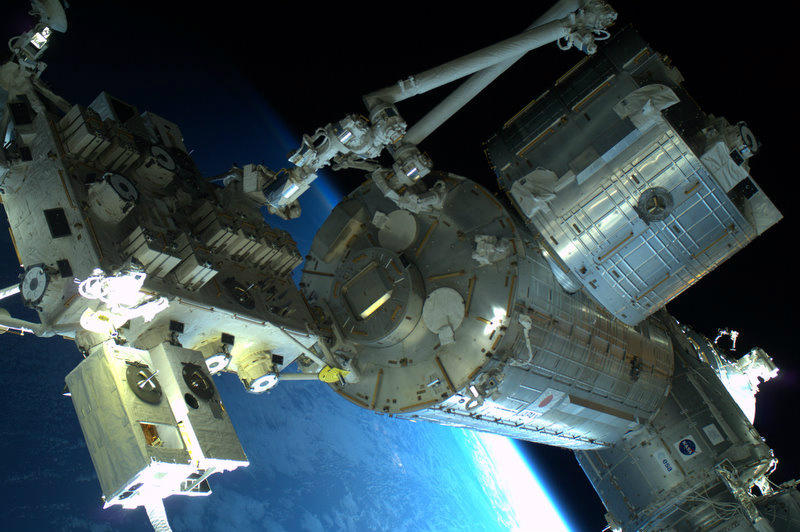
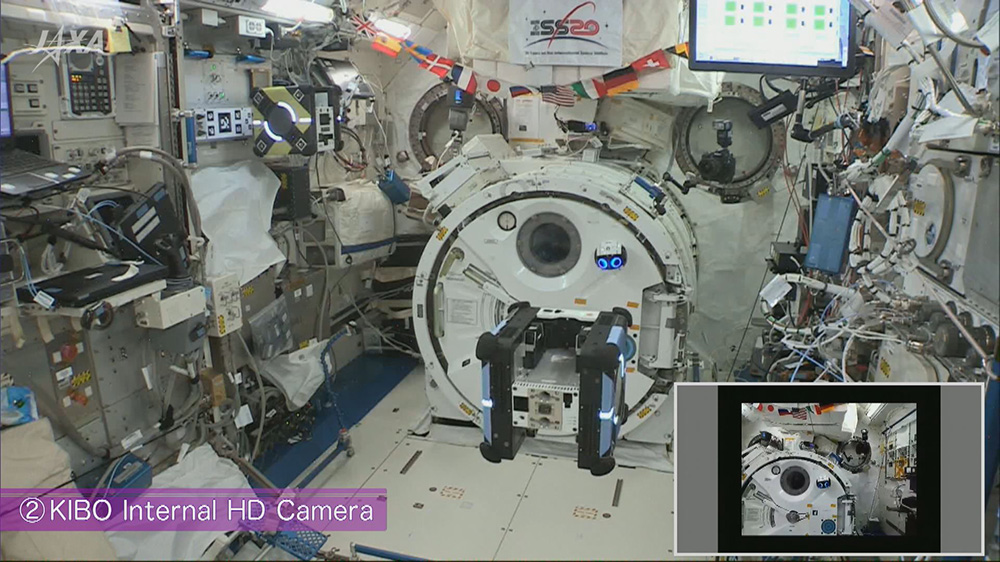
A very slight drop in atmospheric pressure was detected in the system monitoring logs of the International Space Station's Japanese Experiment Module ‘Kibo’. While this level of pressure change could be due to an equipment error, if it indicates an air leak, careful investigation is necessary.
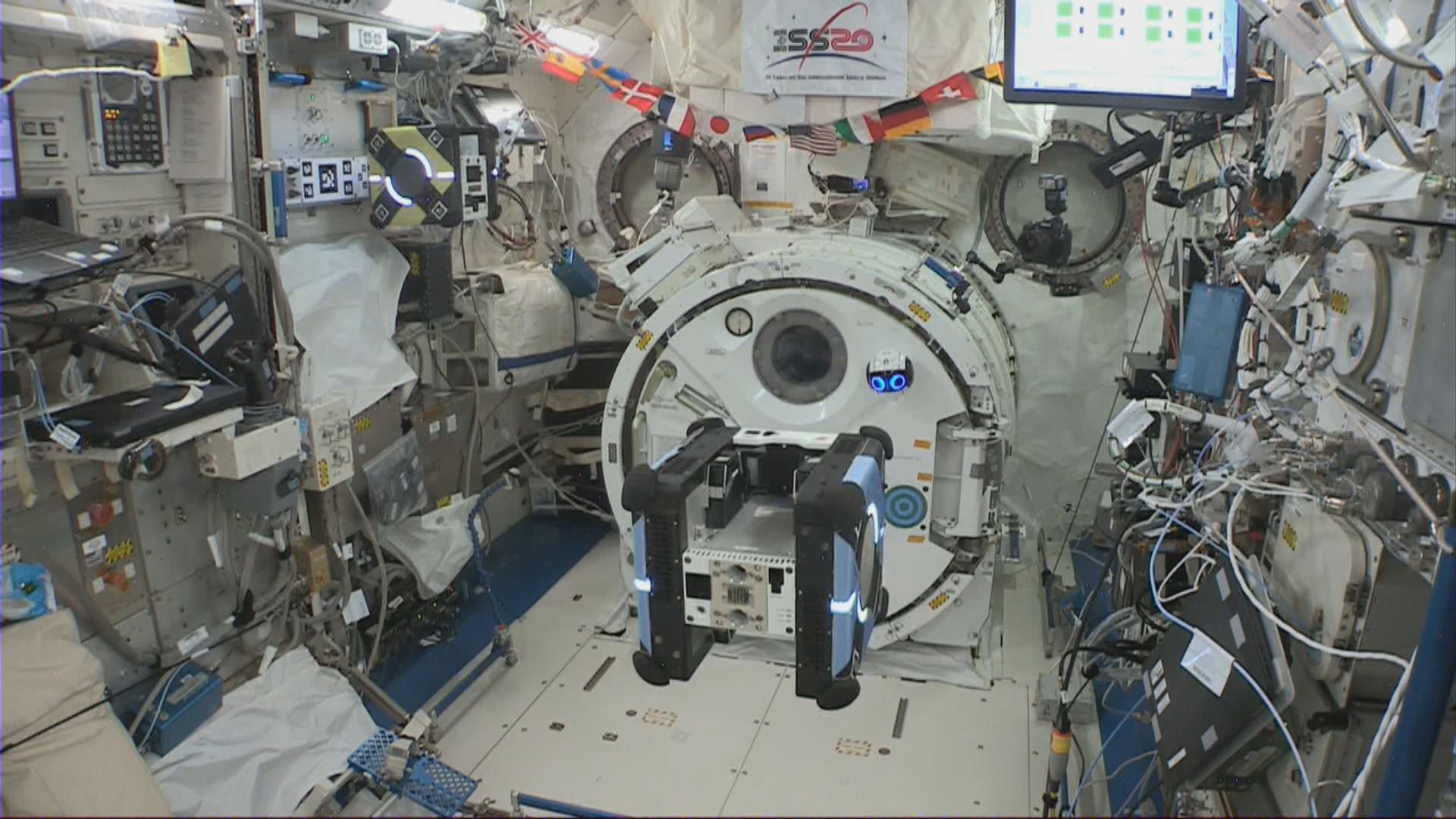
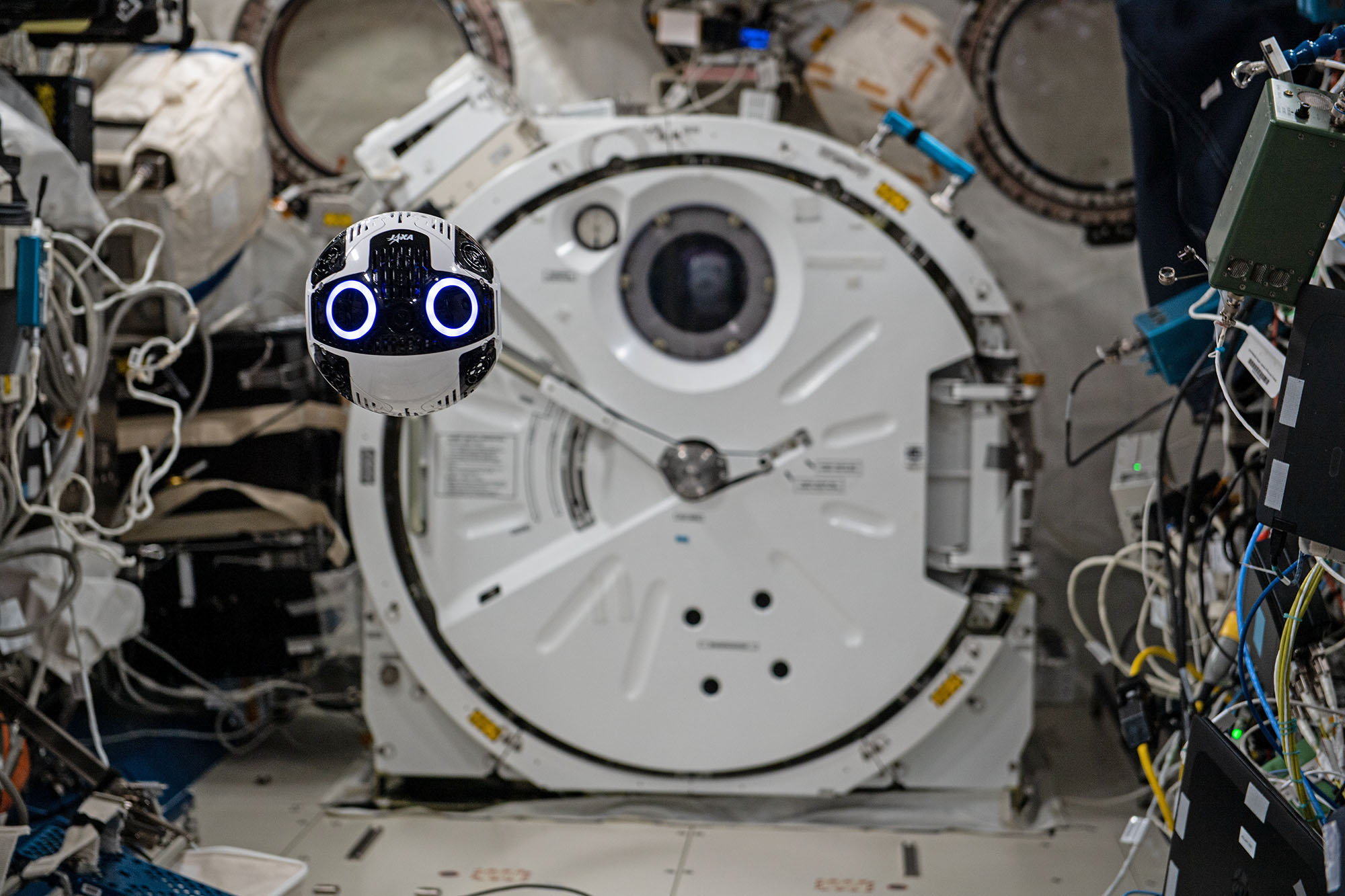
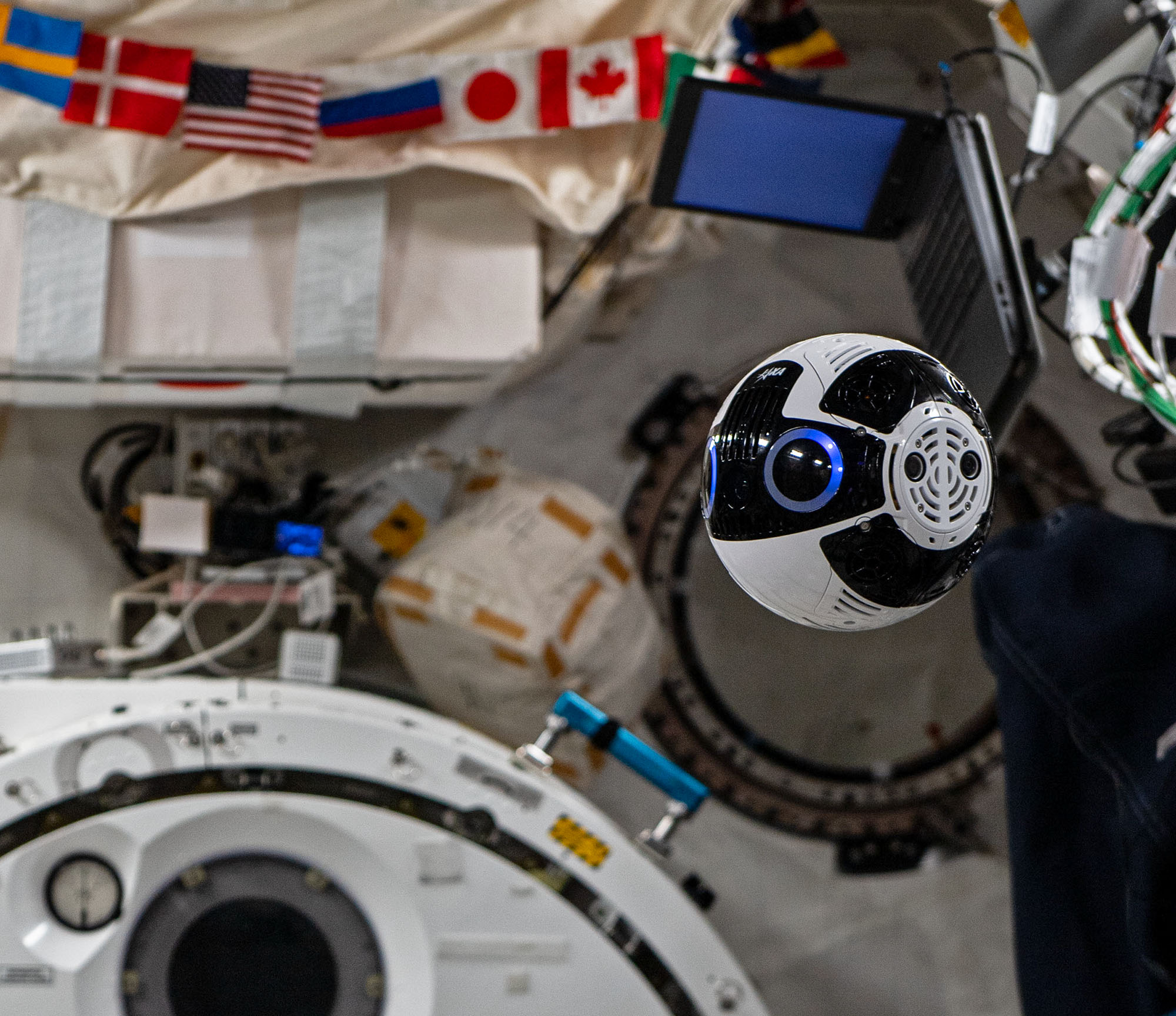
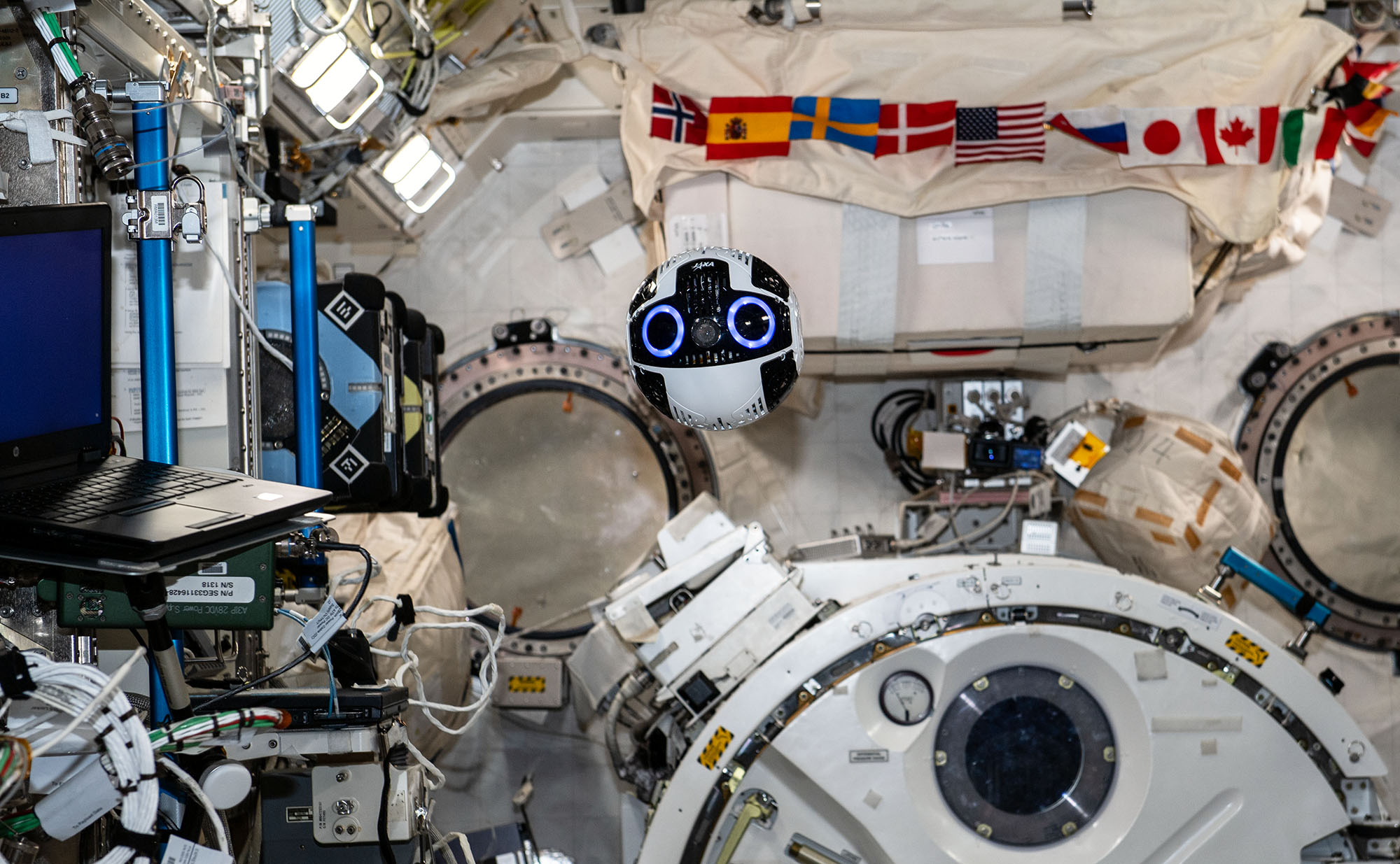
The cause has not yet been identified, and it has not been confirmed whether or not there is a leak. At this stage, careful analysis is needed before astronauts can conduct a direct investigation. Therefore, a preliminary inspection will be conducted by operating the Int-Ball2 robot flying inside the ISS.
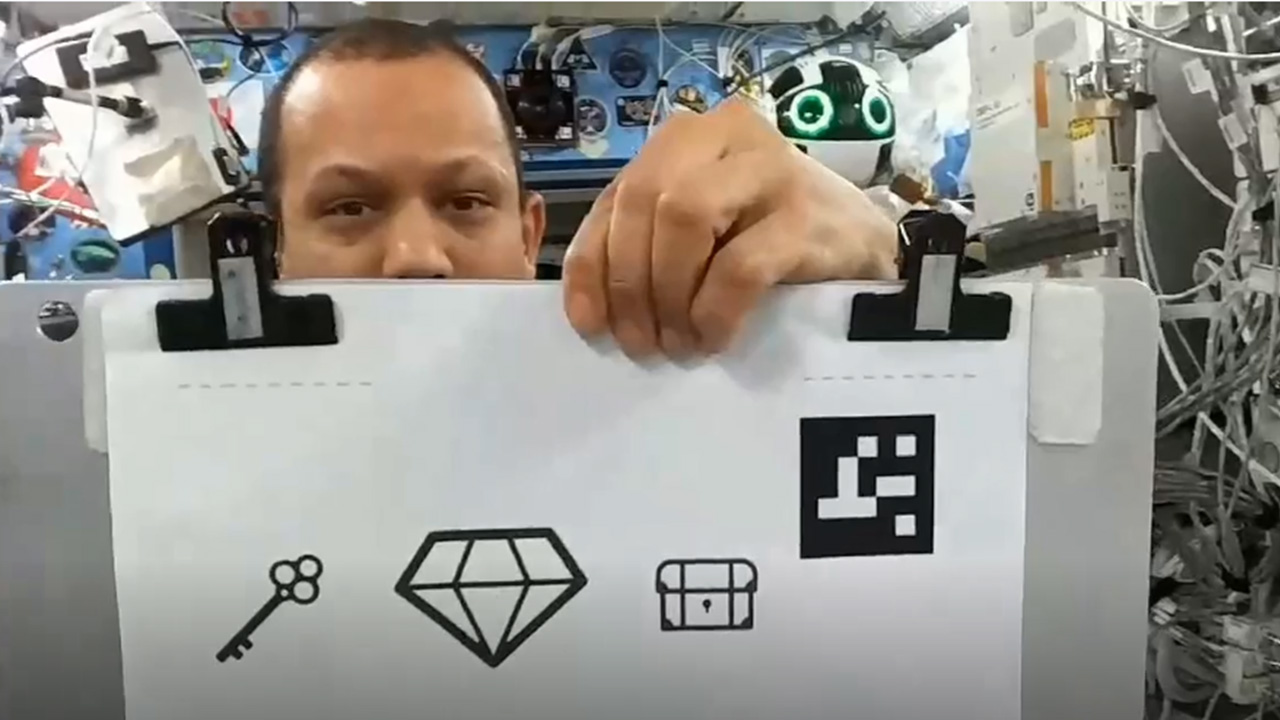
Based on past operational data and case studies, potential leak locations include joints, hatch areas, and the ends of experimental racks. Checkpoints with AR markers have been installed at each of these potential locations.
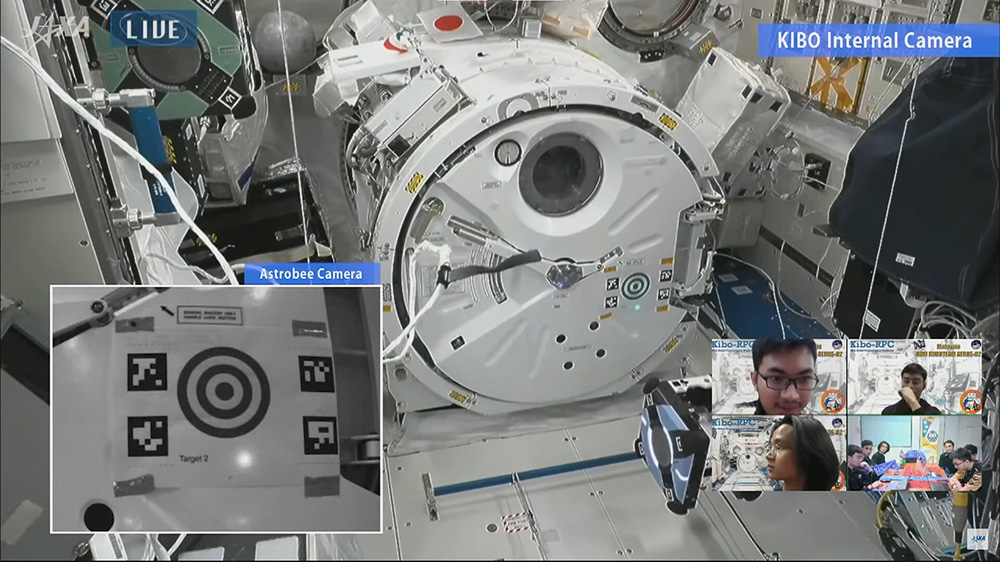
Int-Ball2 will visit all checkpoints to collect inspection data. However, leaks are so minute that they are invisible to the naked eye. For inspection cameras and sensors to diagnose correctly, measurements must be taken accurately at the specified positions and orientations. The more accurately you reach the target point, the more accurately you can determine the presence and severity of any abnormalities.
Once all potential locations have been surveyed, the collected data will be integrated and analyzed. This may reveal the true leak location, or it may turn out to be a false alarm. We will try to identify the cause based on the limited information available.
Precisely control Int-Ball2 and uncover the true nature of the anomaly.
※ This is a fictional story.

Game Rules
- 1Starting from the docking station.
- 2The position and orientation of the automatically generated checkpoints are processed.
- 3An efficient route to visit the distributed checkpoints is planned.
- 4At each checkpoint, Int-Ball2 position and orientation when reading the AR marker are registered.
- 5The mission is complete when all the points are visited, and the goal checkpoint is reached.
- 6Mission complete report.


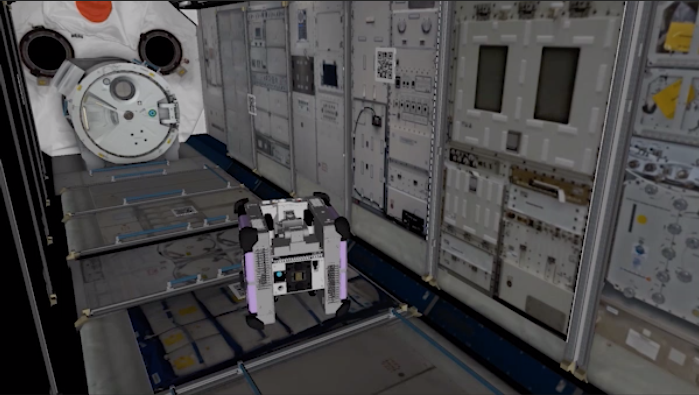
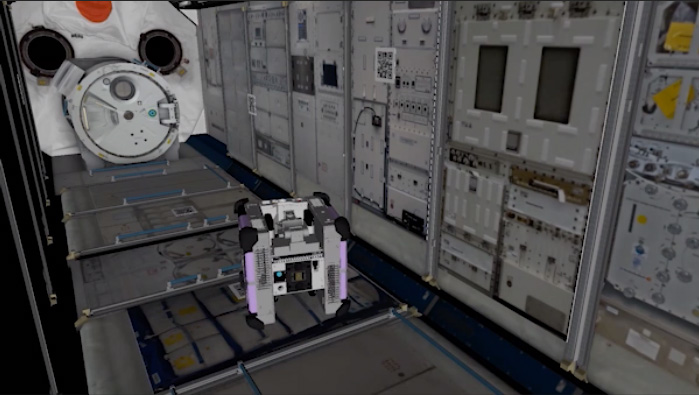
This is an overview of the rules. (Actual image is different)
Tutorial Video
Purpose of Kibo-RPC

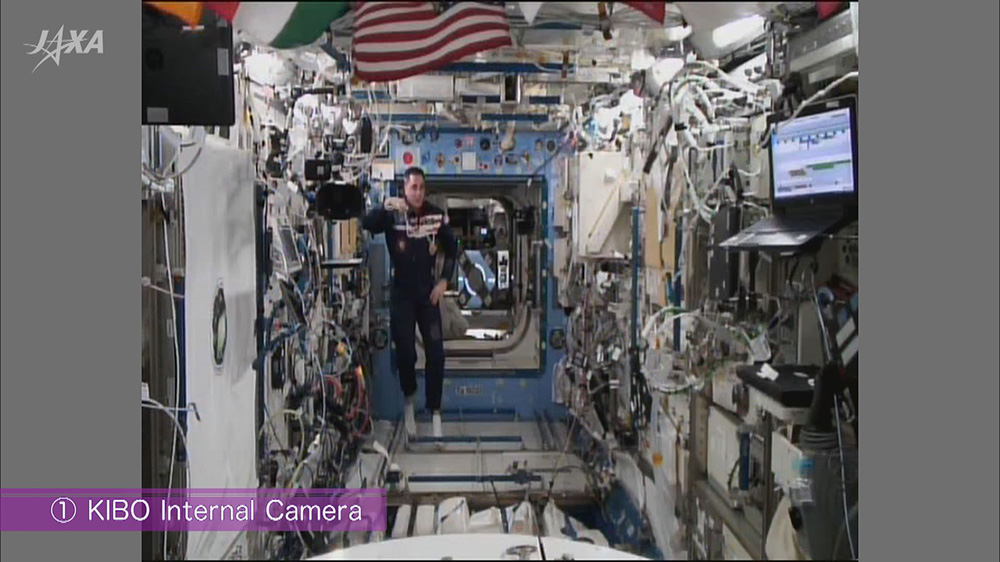
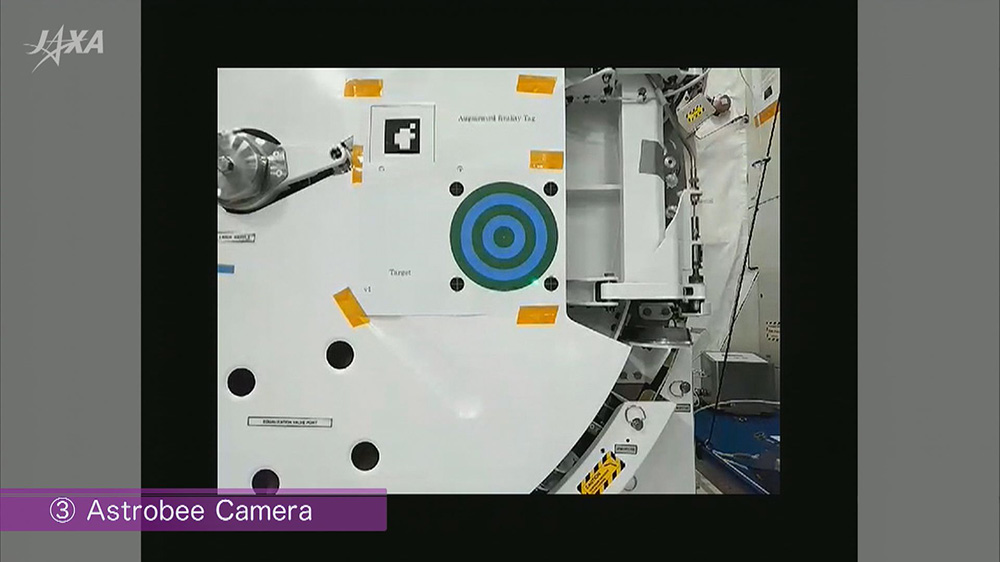
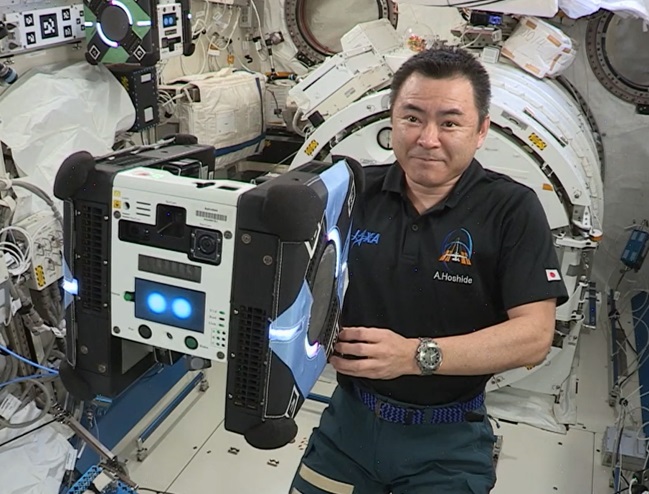
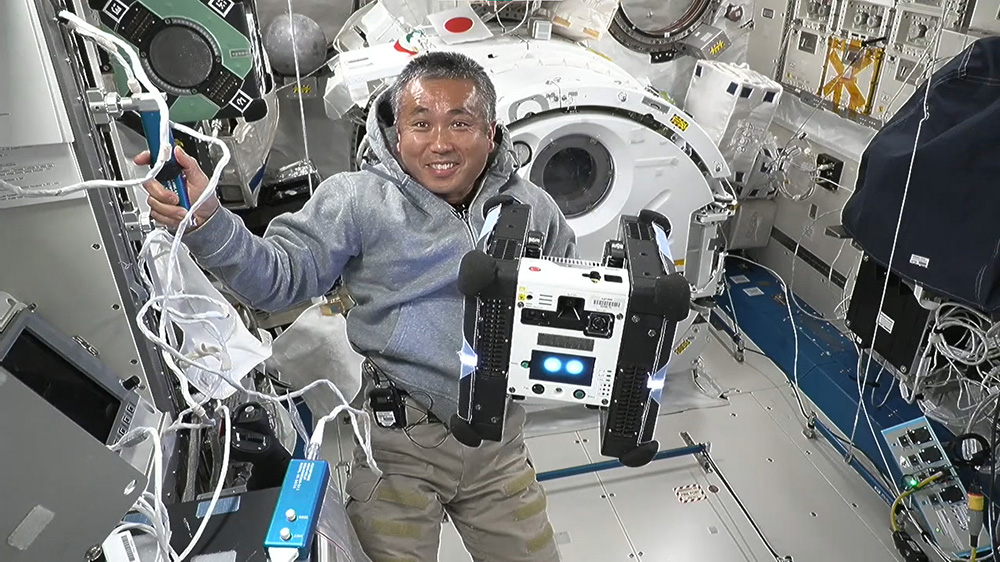
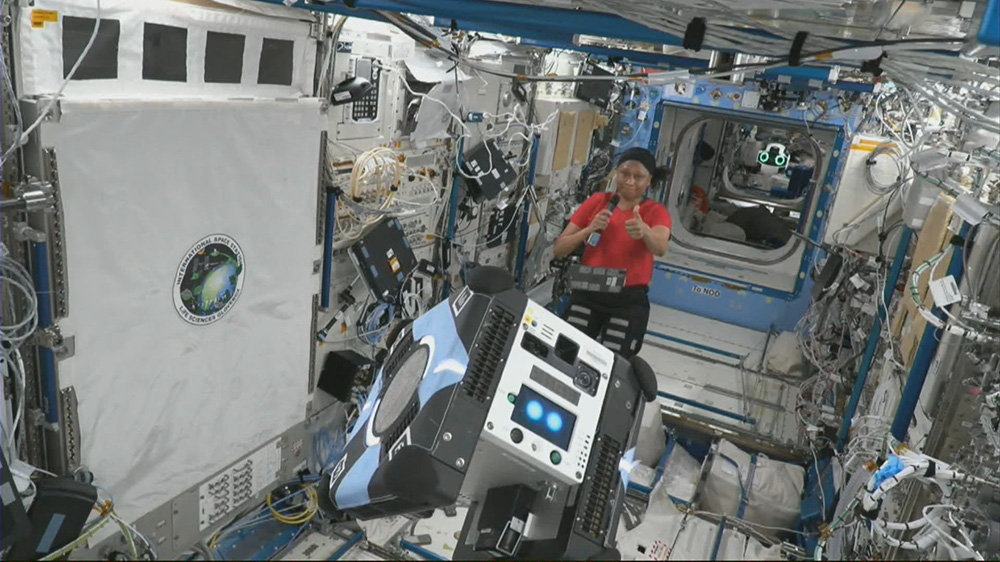
The Kibo Robot Programming Challenge is an educational program in which students solve various problems by programming free-flying robots (Astrobee and Int-Ball) in the International Space Station (ISS).
The Kibo-RPC will inspire students to develop their educational and professional goals to a higher level.
The Kibo-RPC will inspire students to develop their educational and professional goals to a higher level.
Participants will have the opportunity to learn cutting-edge methodologies and hone their skills in science, technology, engineering, and mathematics through this program.
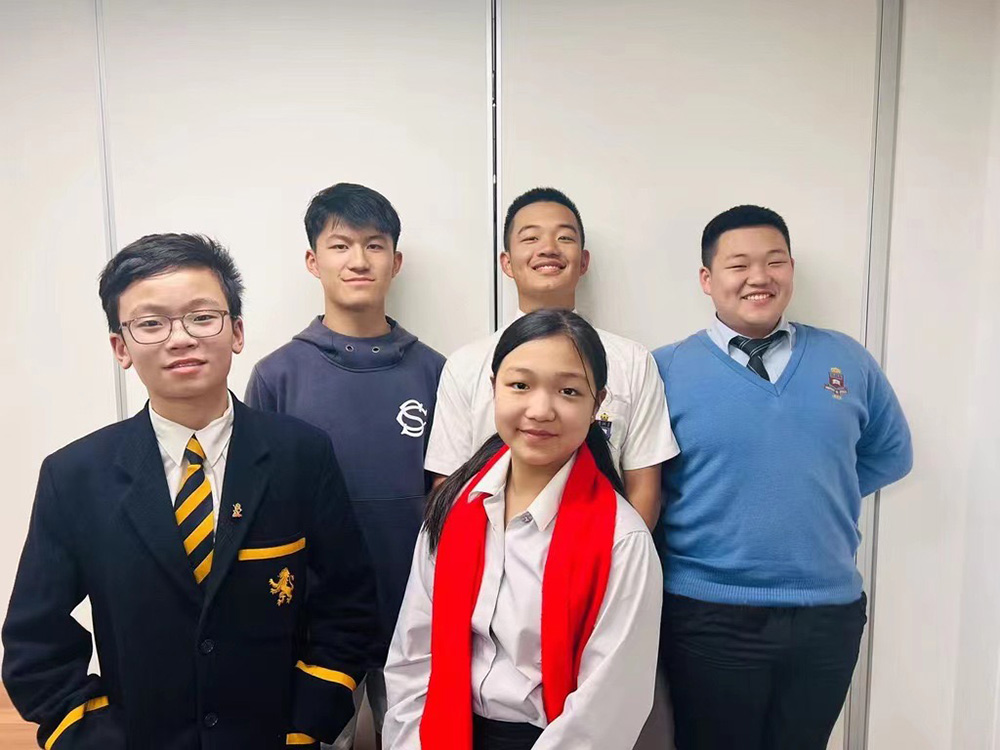
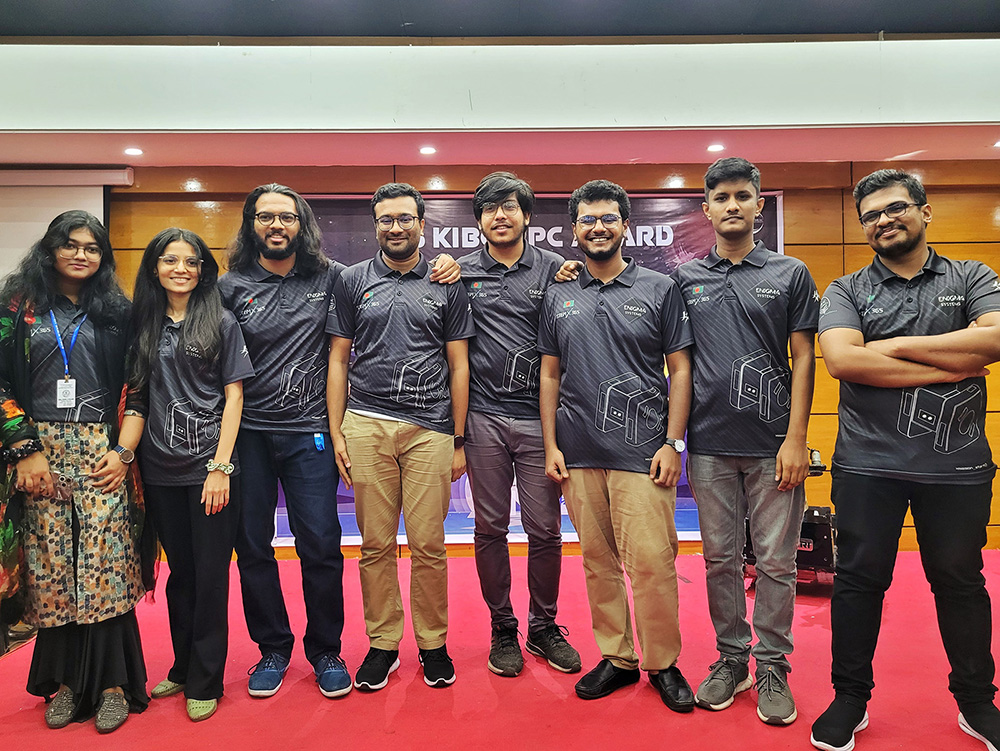
The Kibo-RPC will also expand international exchange by encouraging students to interact with other participants from around the world.
History of Kibo-RPC
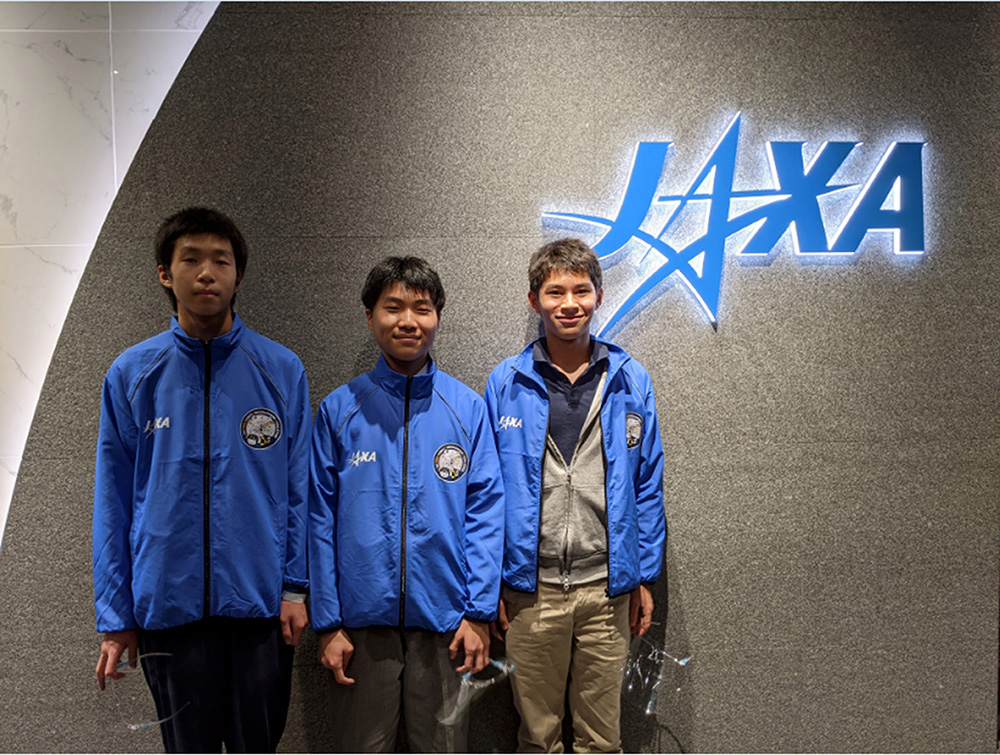
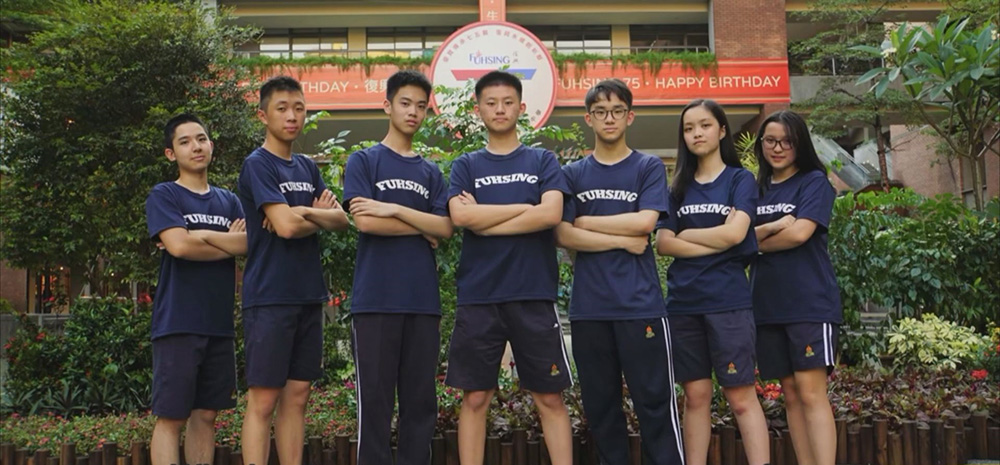
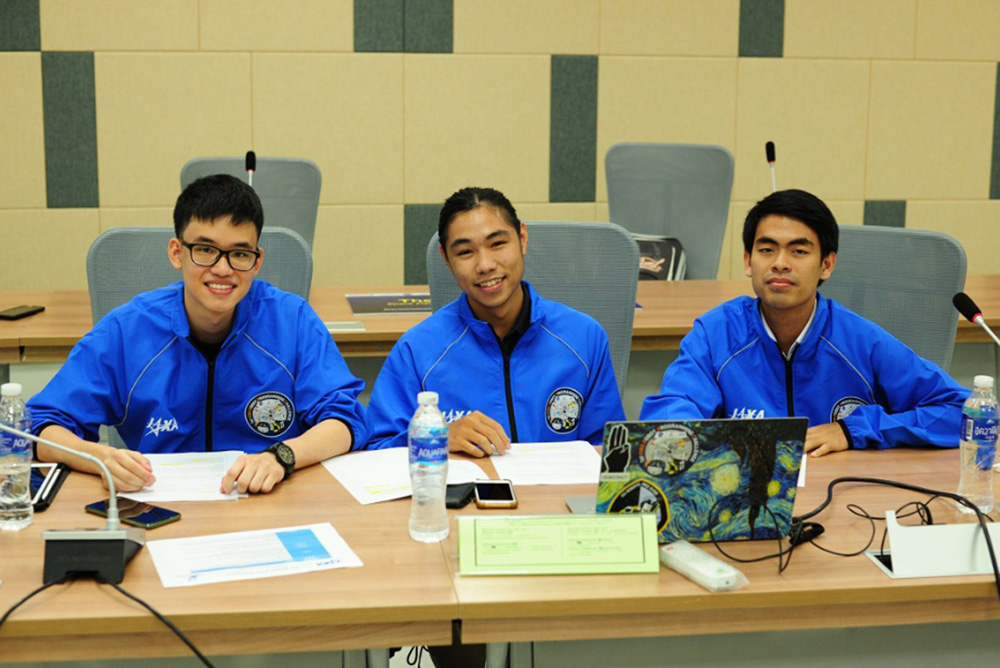
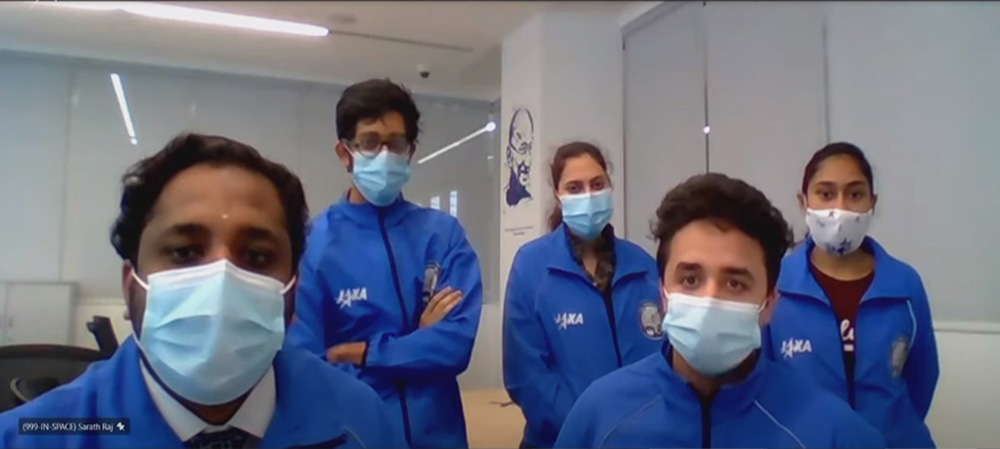
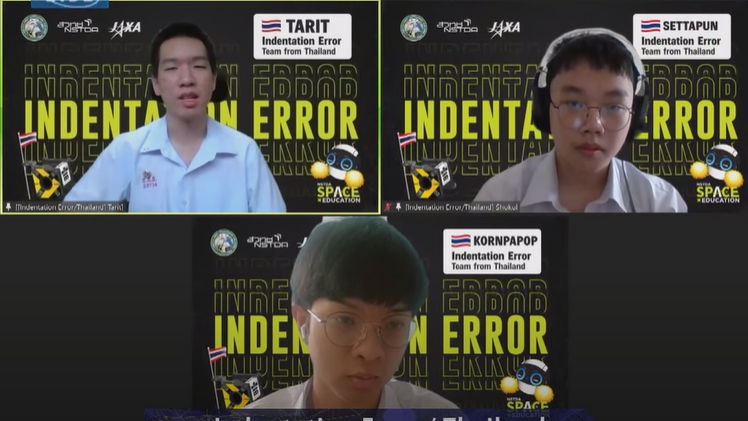
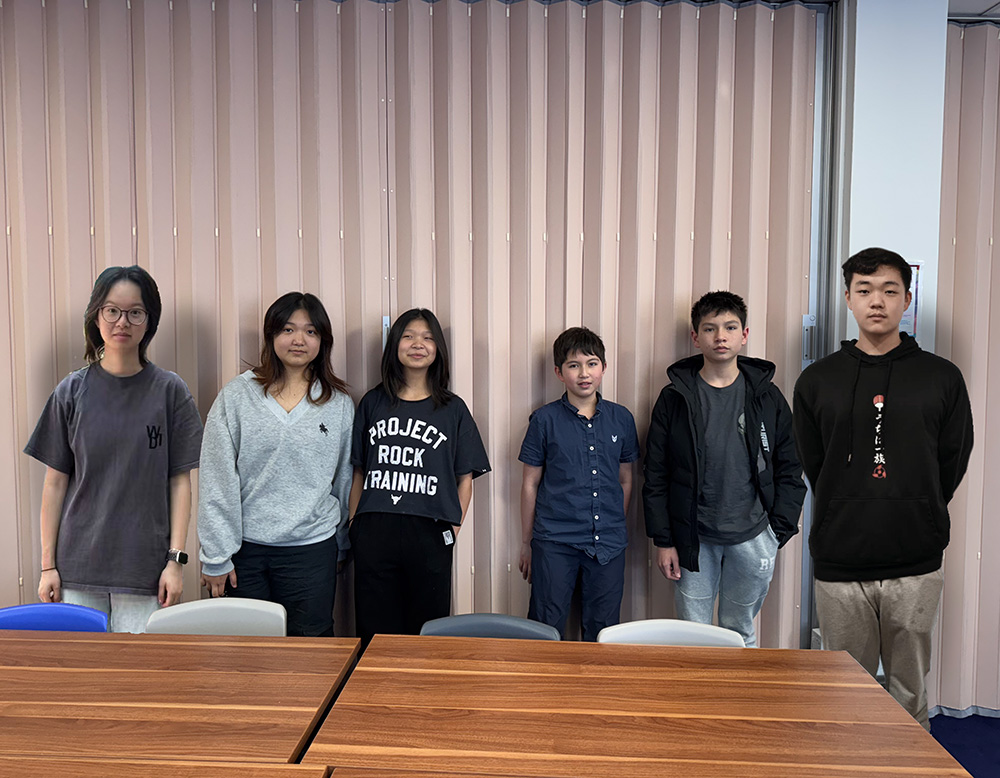
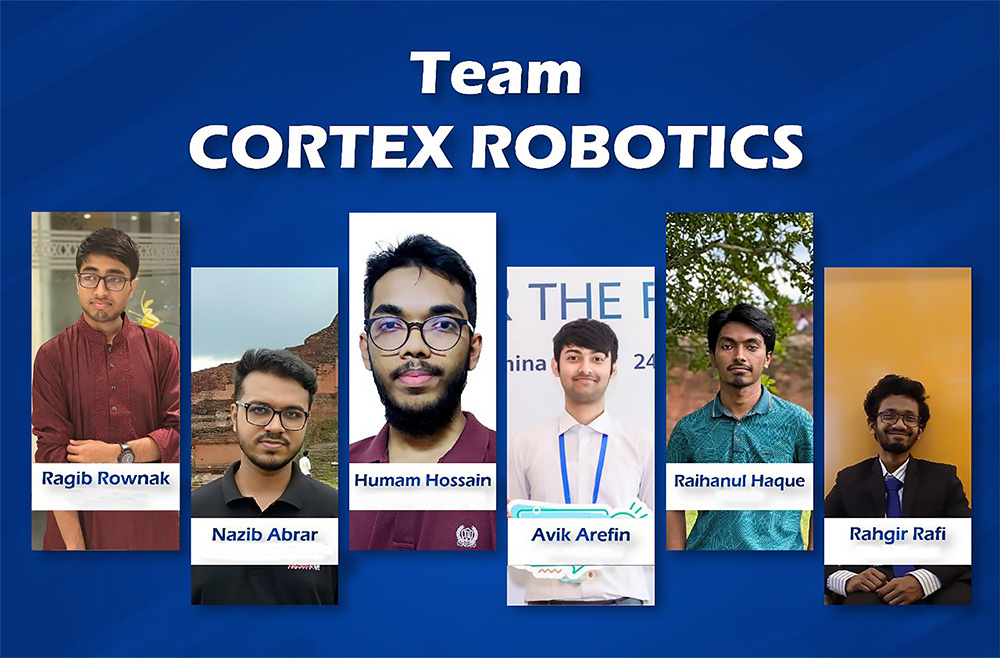
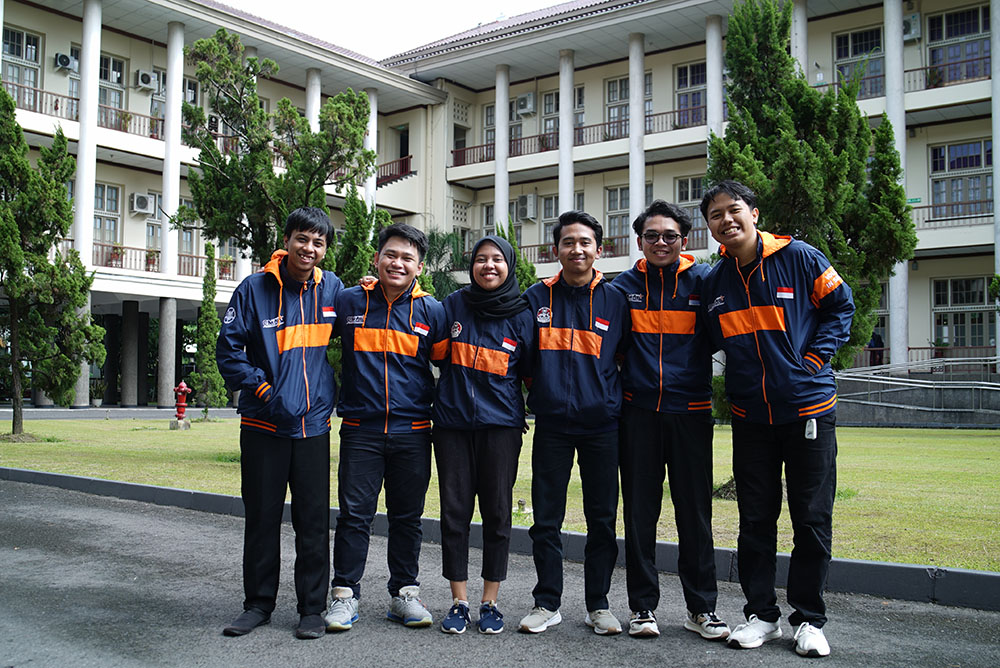
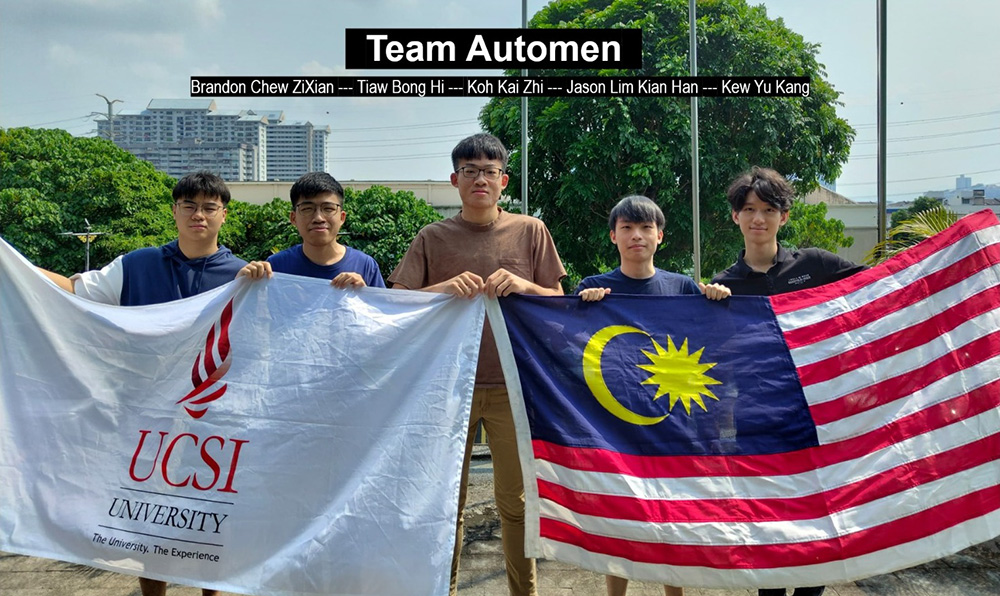
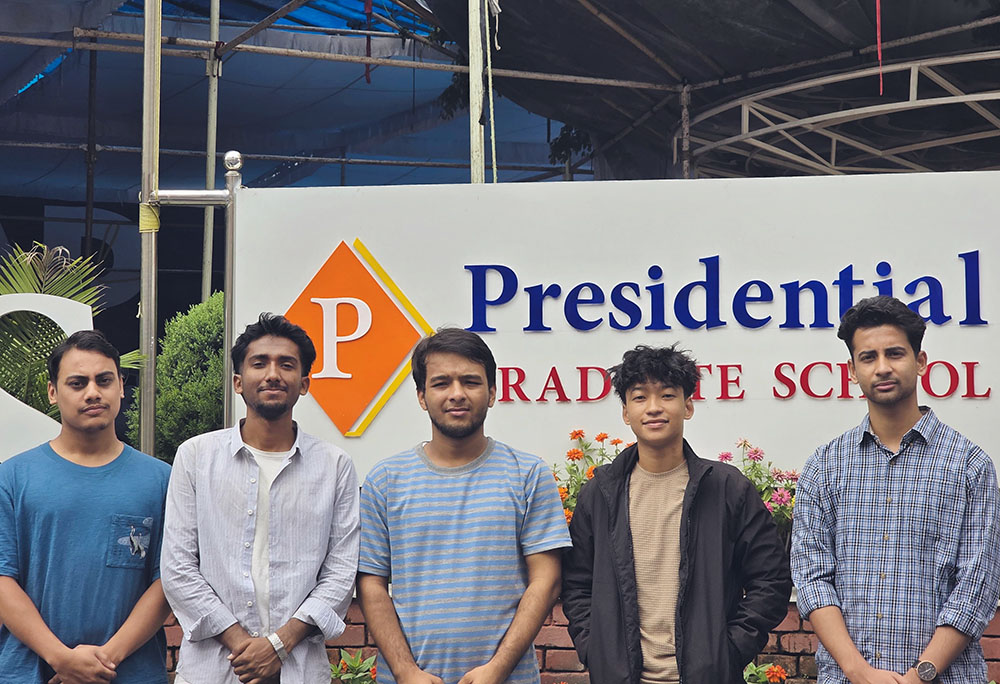
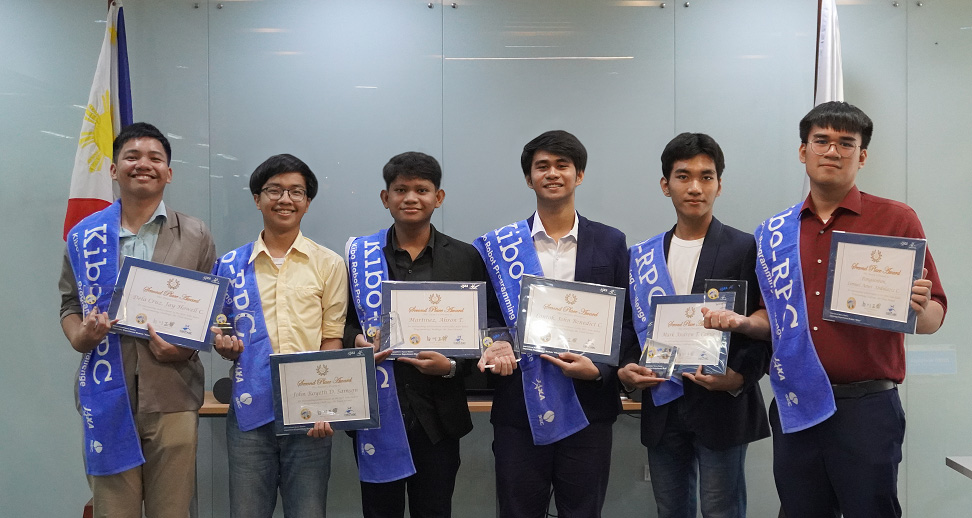
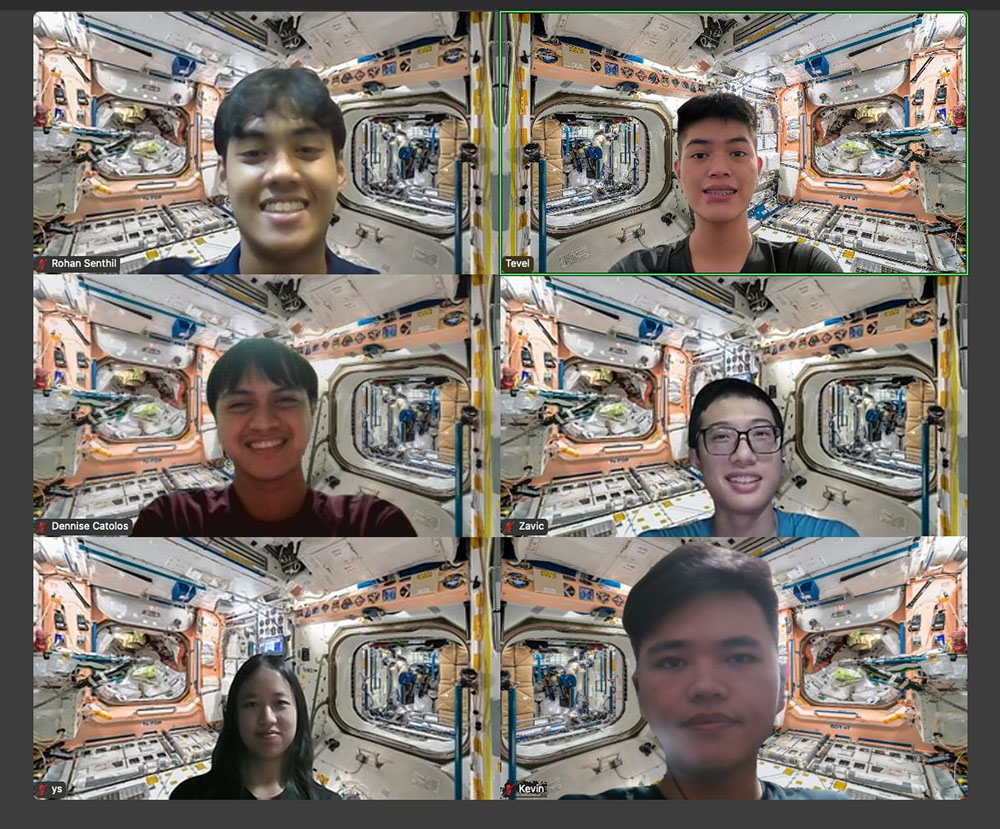
1st Kibo-RPC

2020
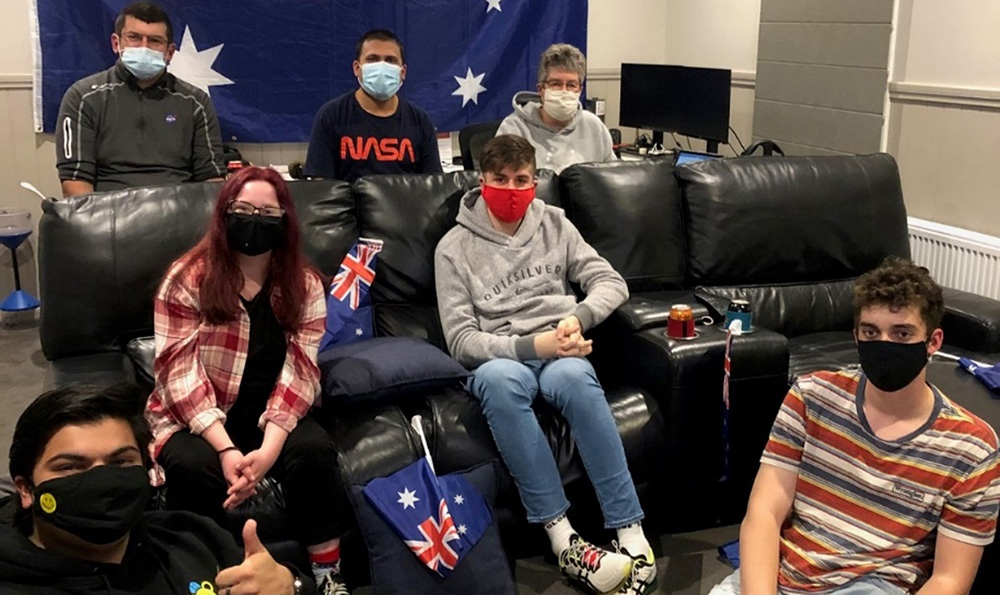
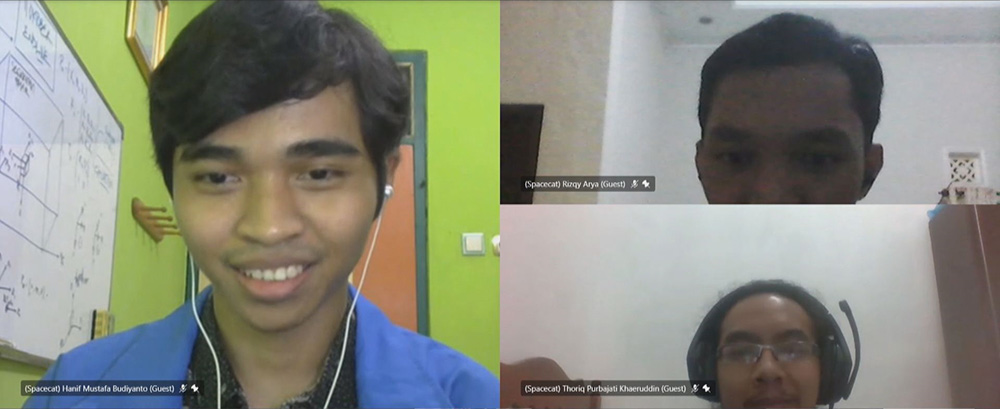
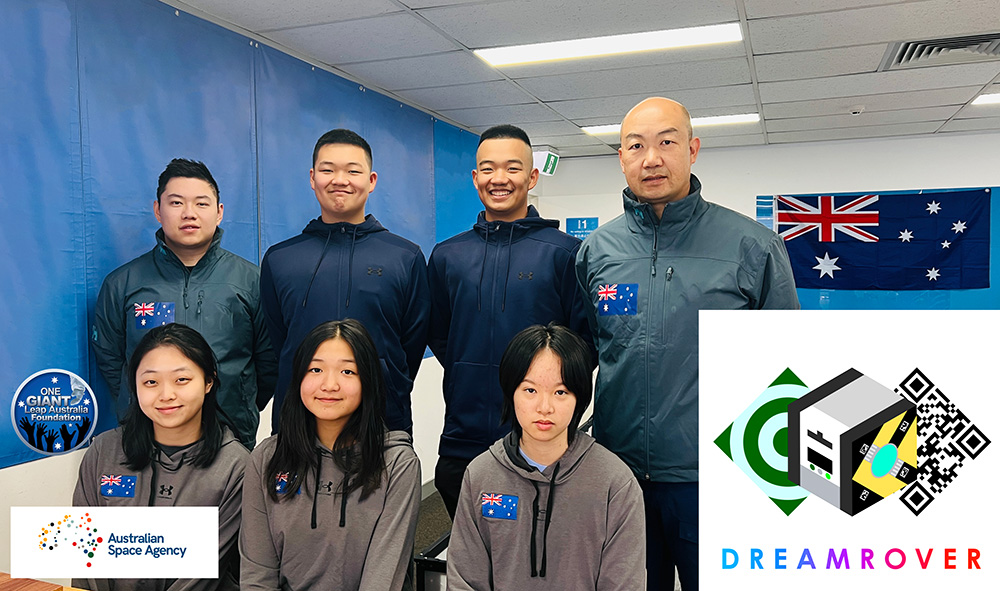
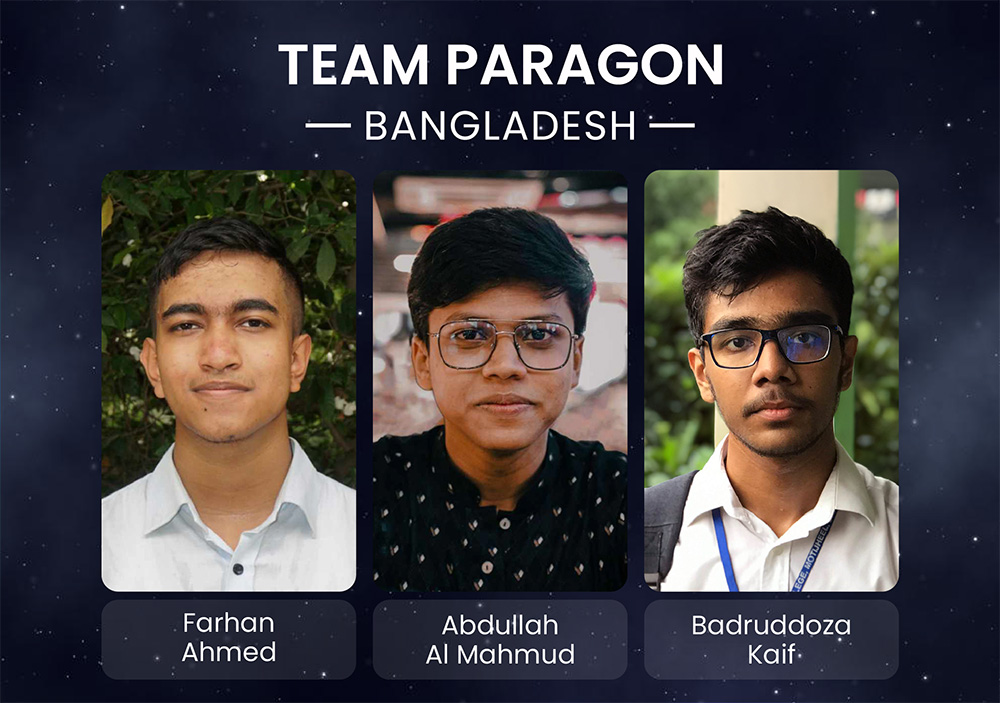
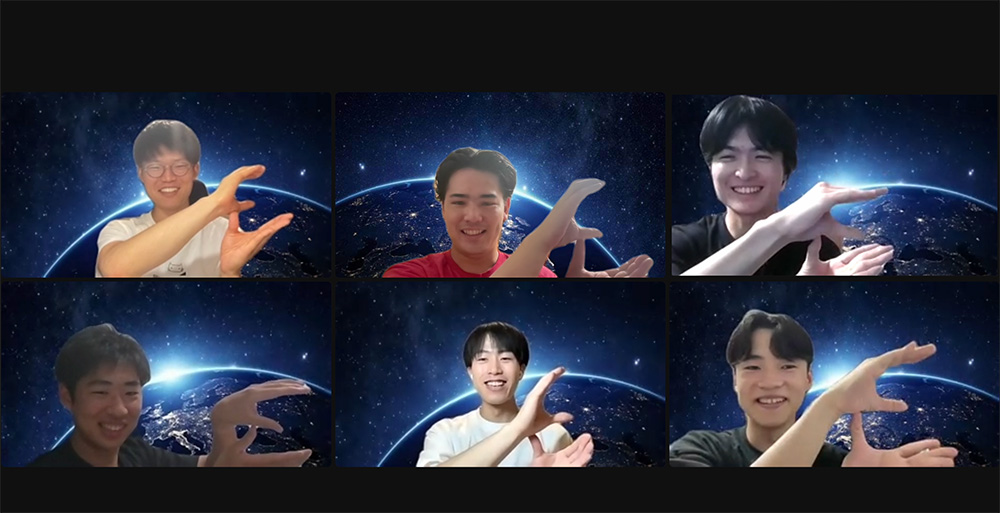
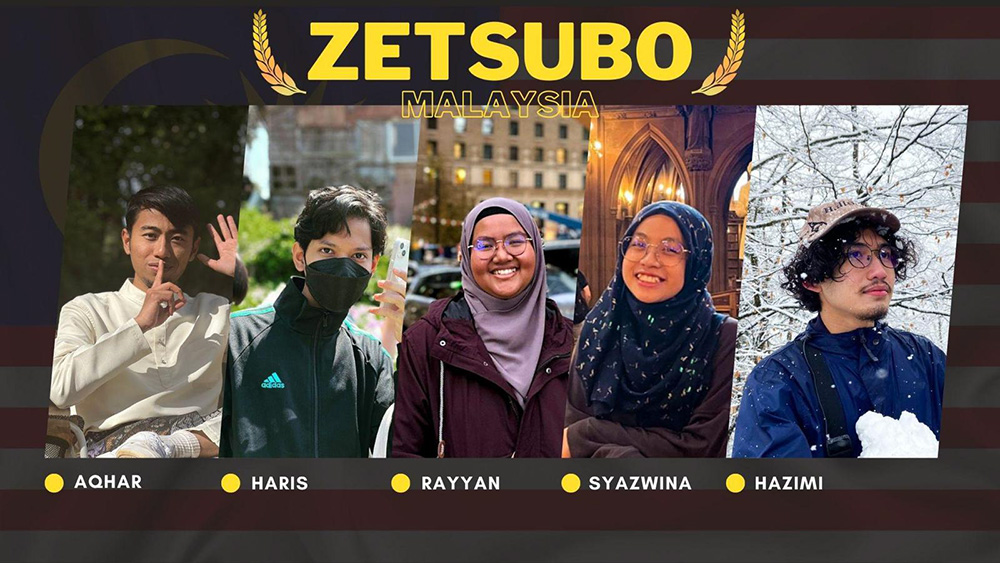
A total of 1,168 students comprising 313 teams from seven countries/region
has participated in the Kibo-RPC.
has participated in the Kibo-RPC.
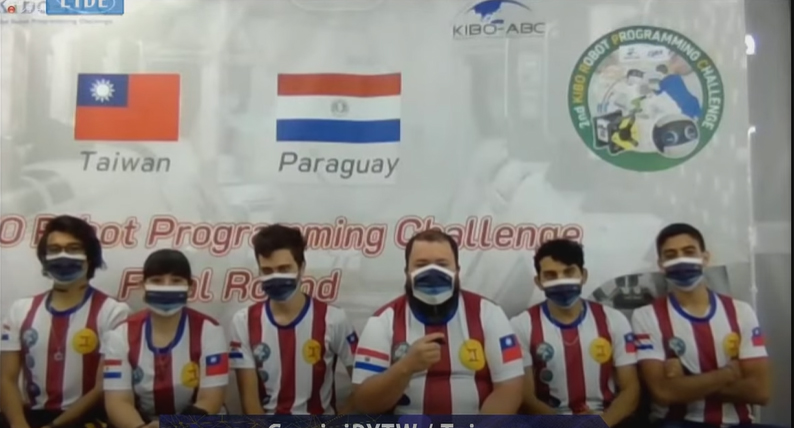
2nd Kibo-RPC

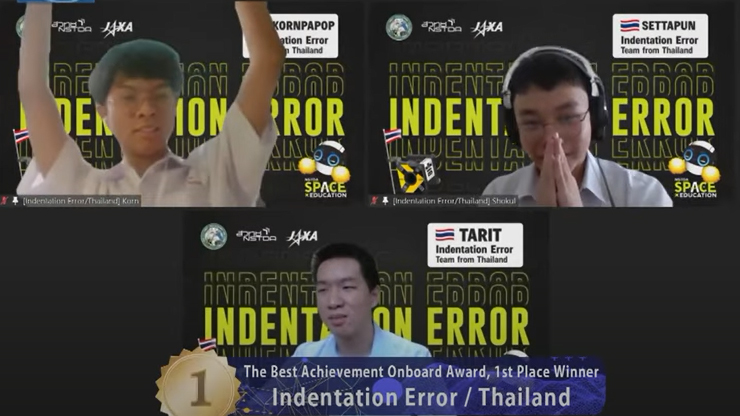
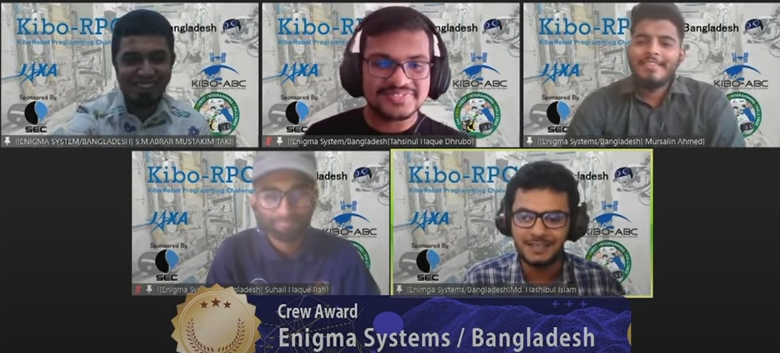
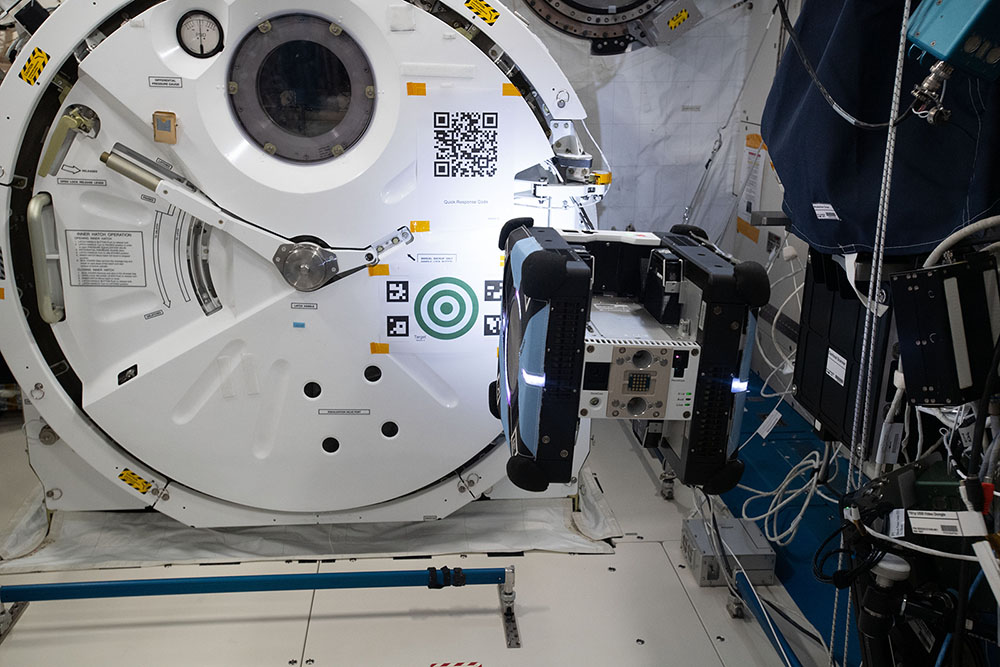
2021
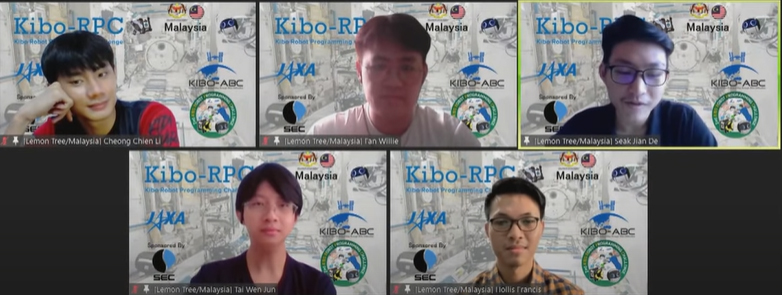
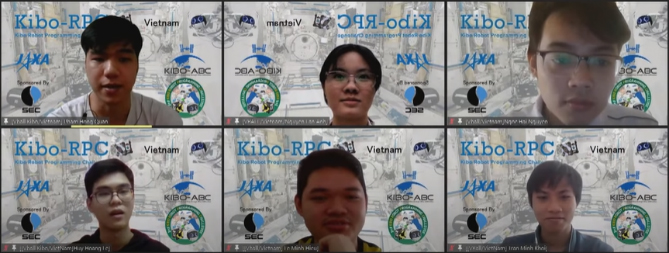
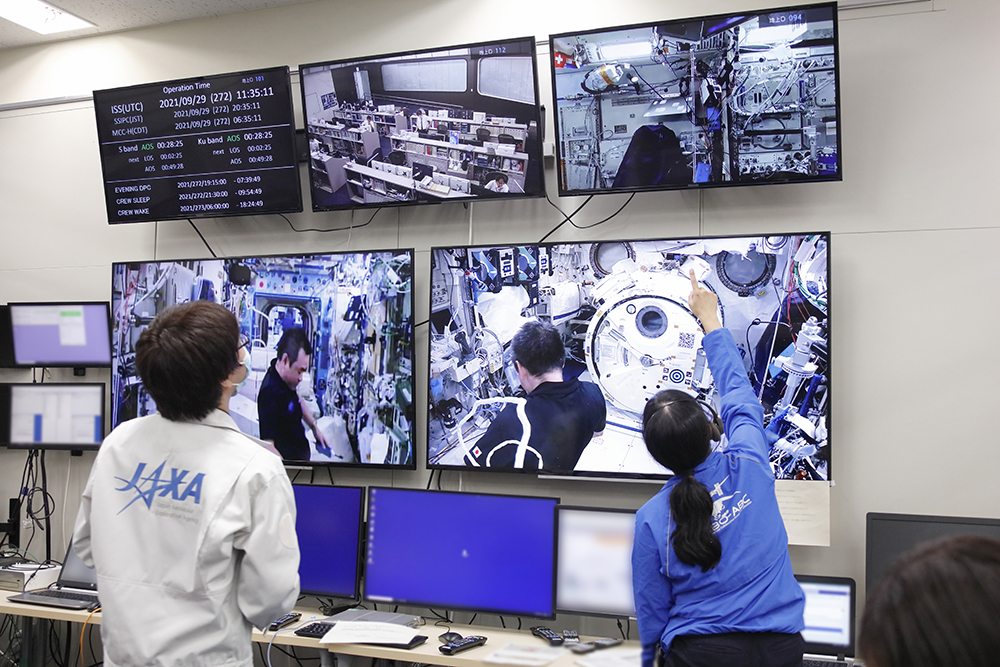
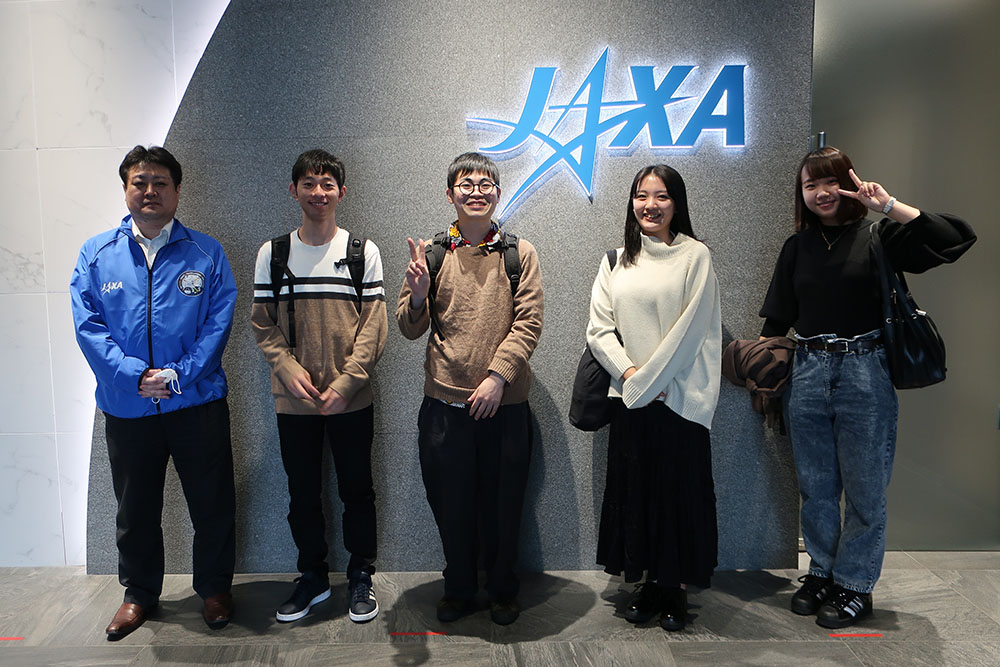
A total of 905 students comprising 286 teams from eleven countries/region
has participated in the Kibo-RPC.
has participated in the Kibo-RPC.
3rd Kibo-RPC

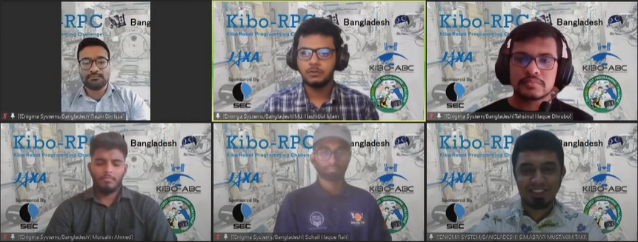
2022
A total of 1,431 students comprising 351 teams from twelve countries/region
has participated in the Kibo-RPC.
has participated in the Kibo-RPC.
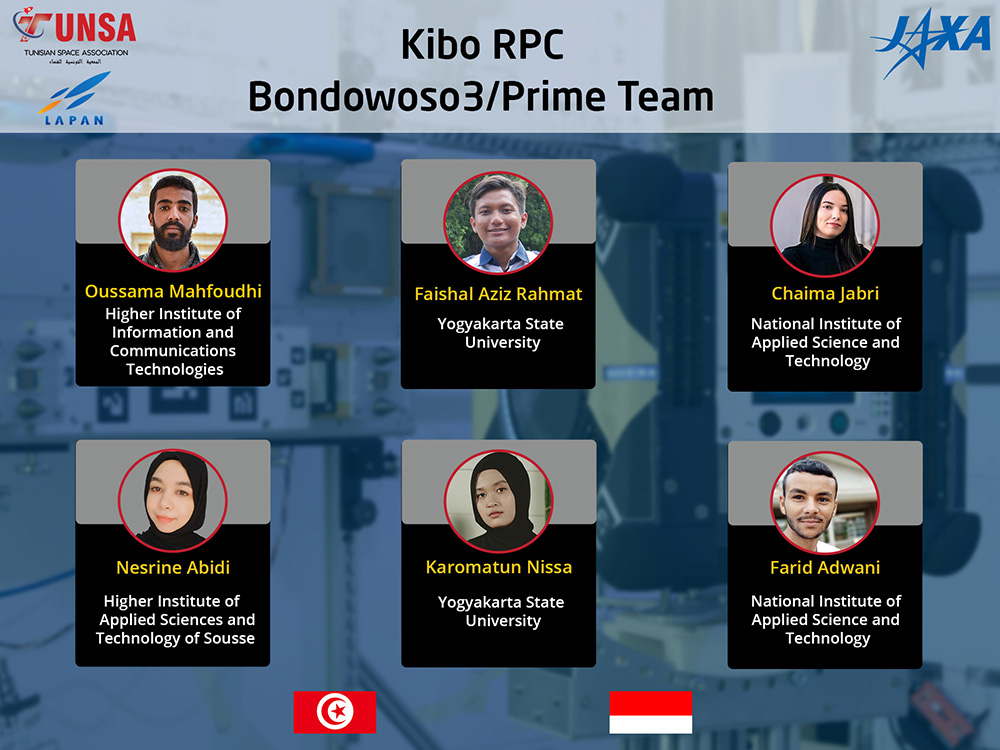
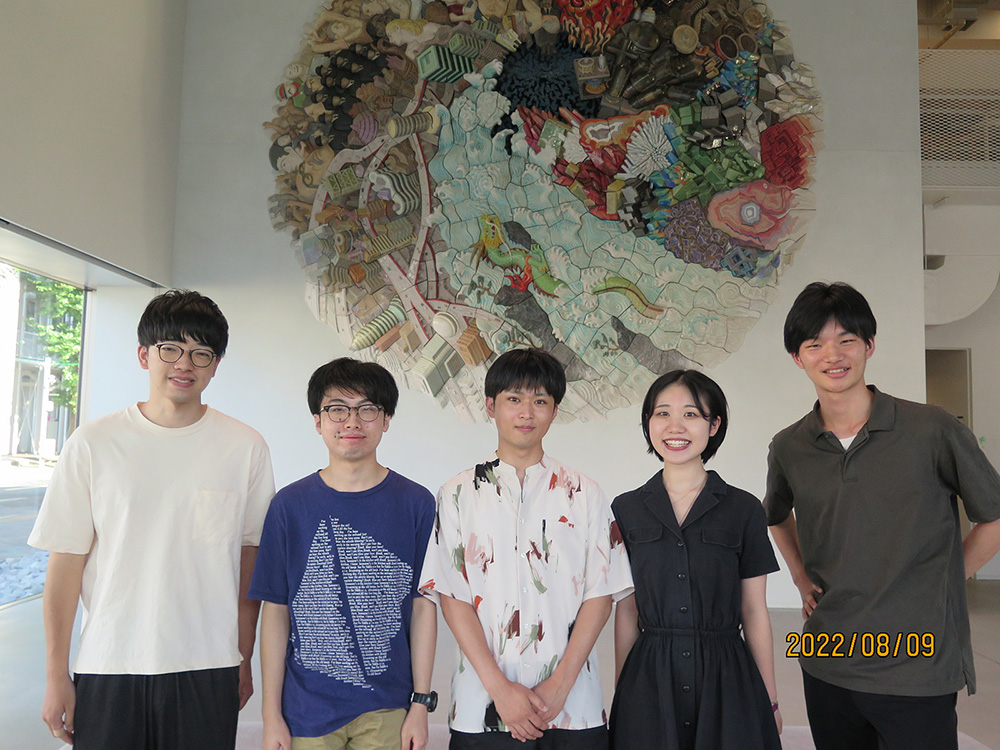
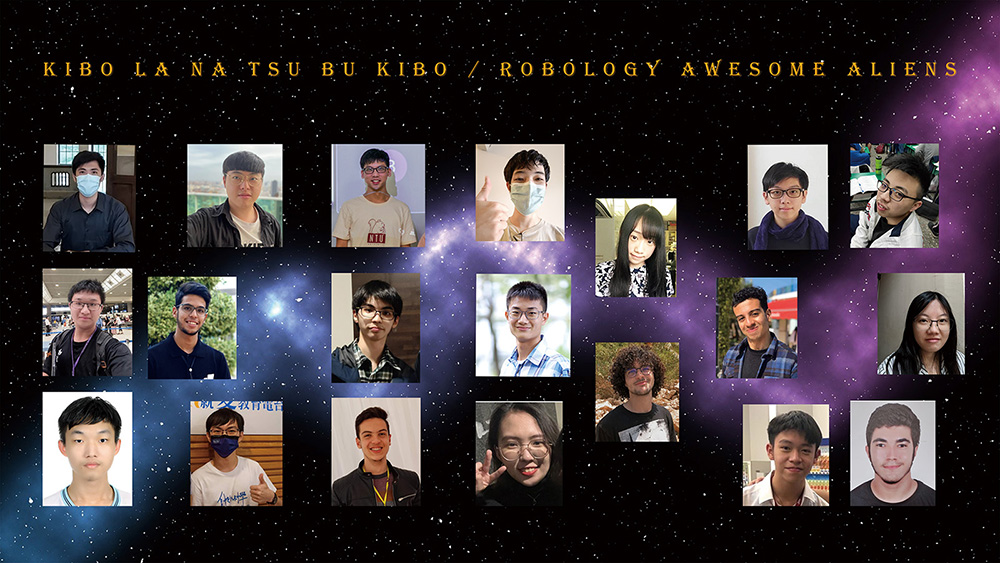
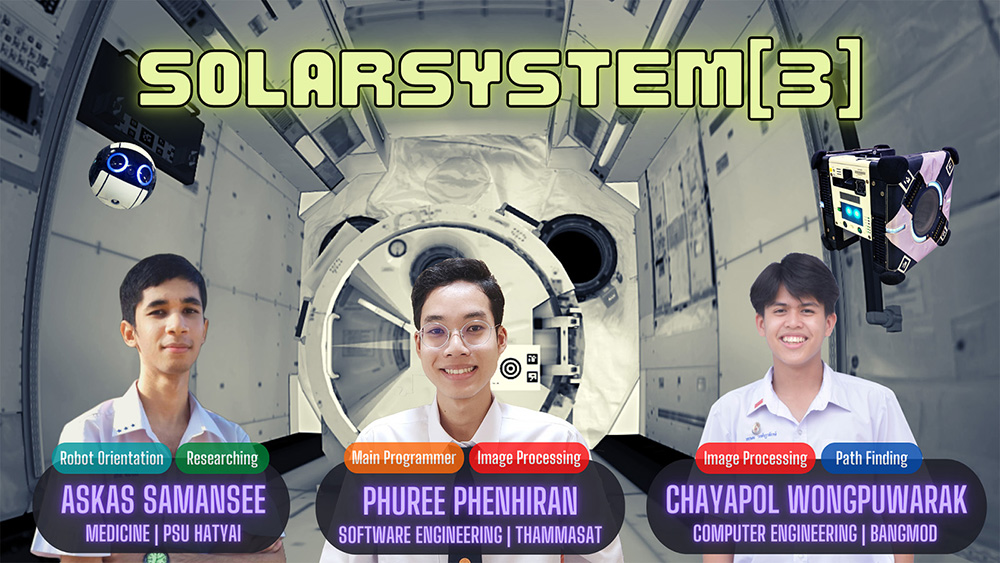
4th Kibo-RPC
2023
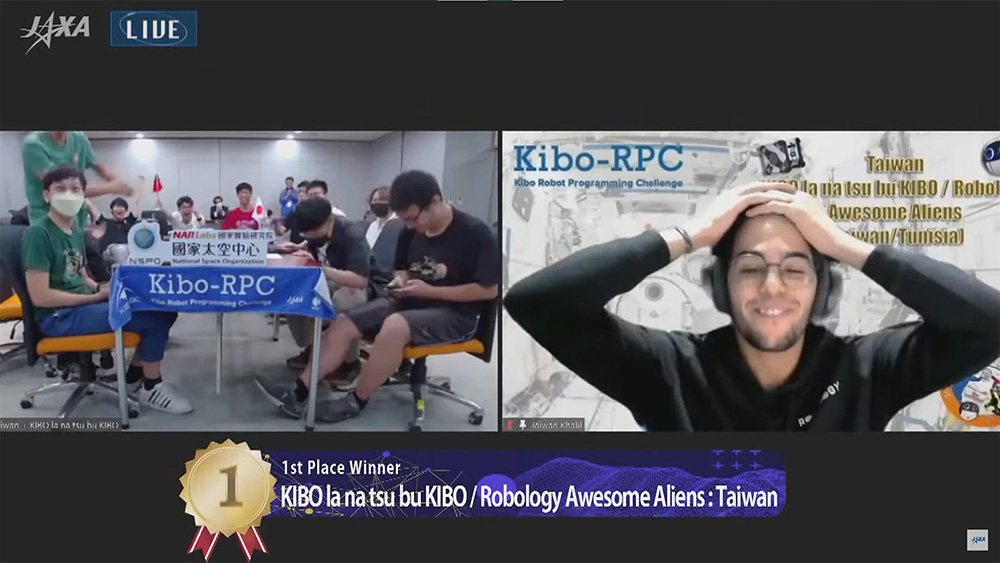
A total of 1,685 students comprising 421 teams from twelve countries/region
has participated in the Kibo-RPC.
has participated in the Kibo-RPC.
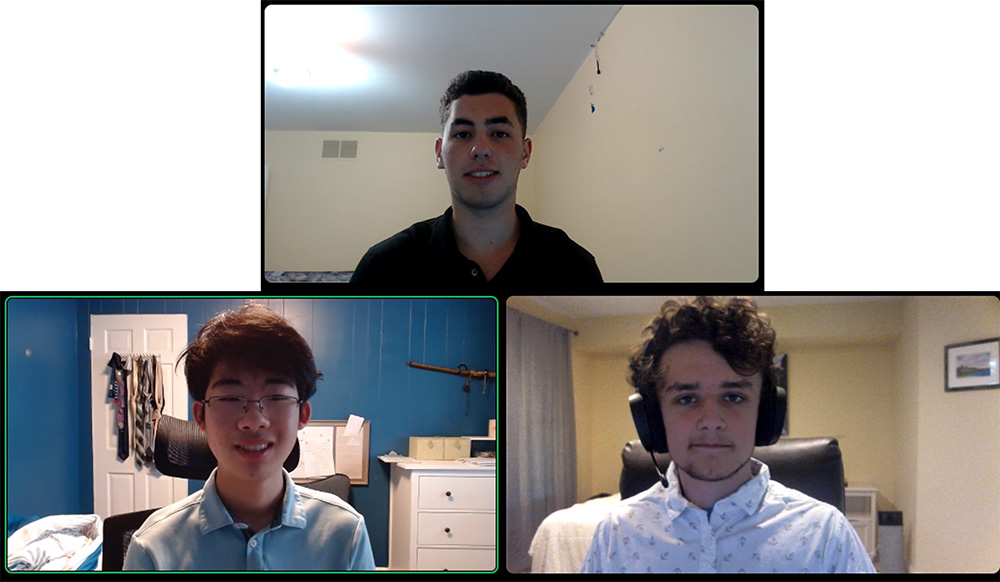
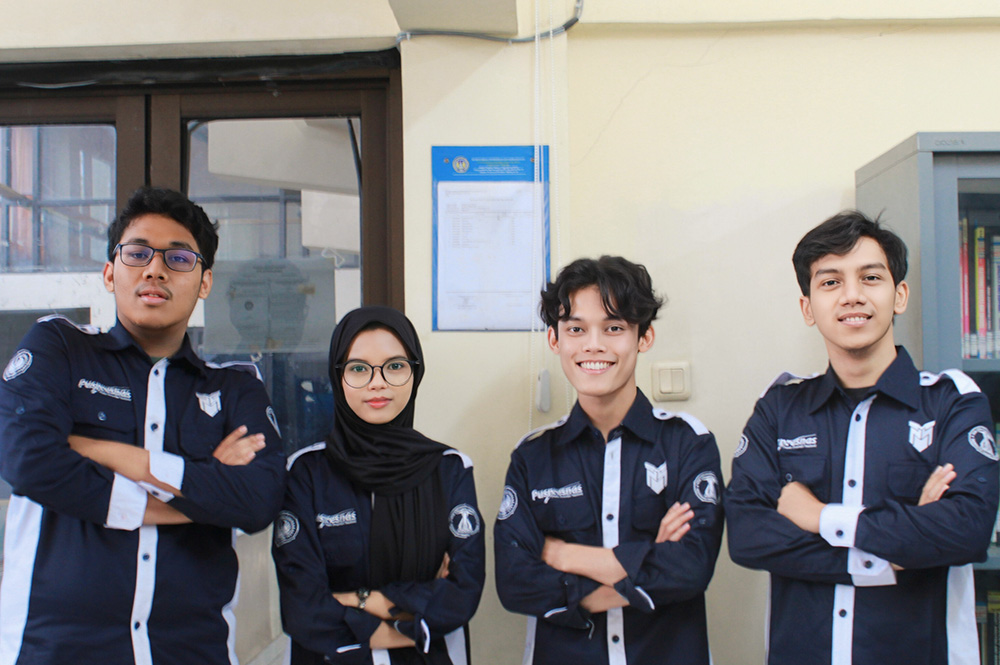
5th Kibo-RPC

2024
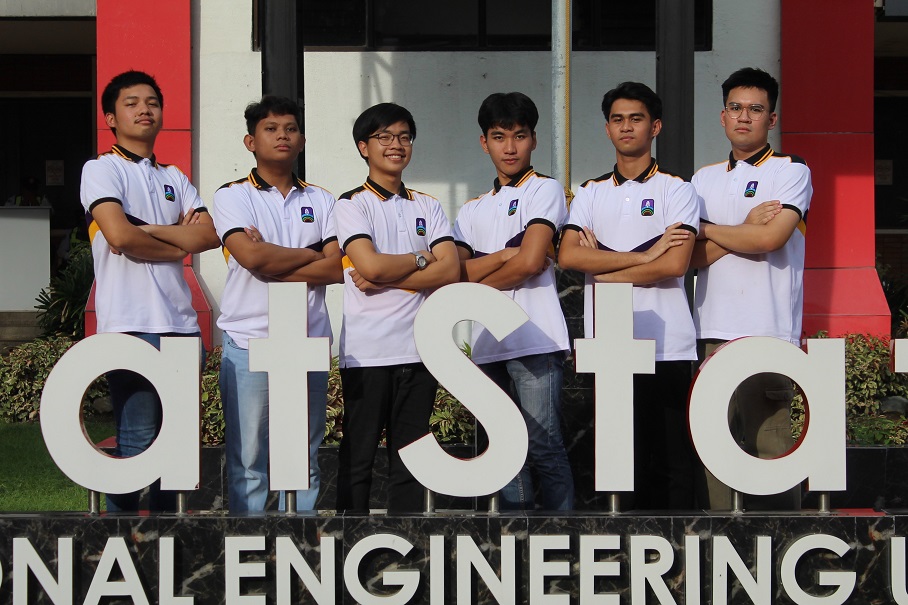
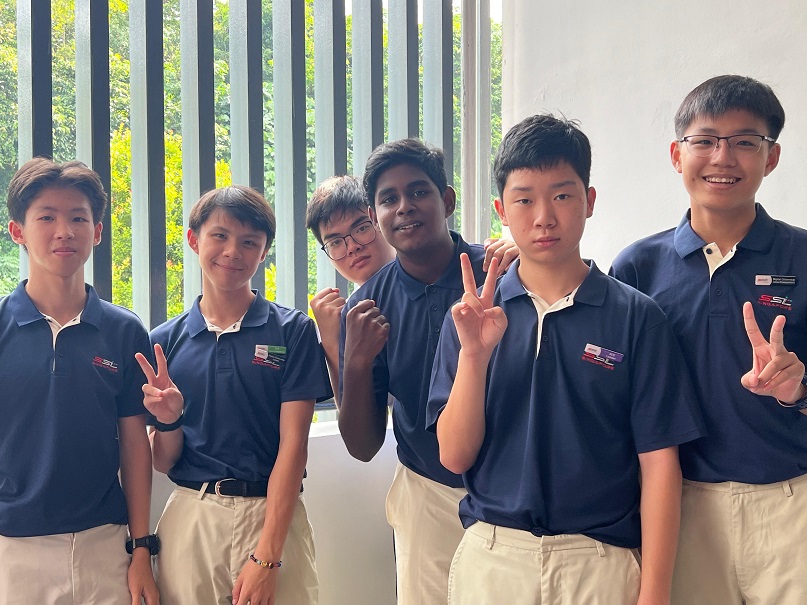
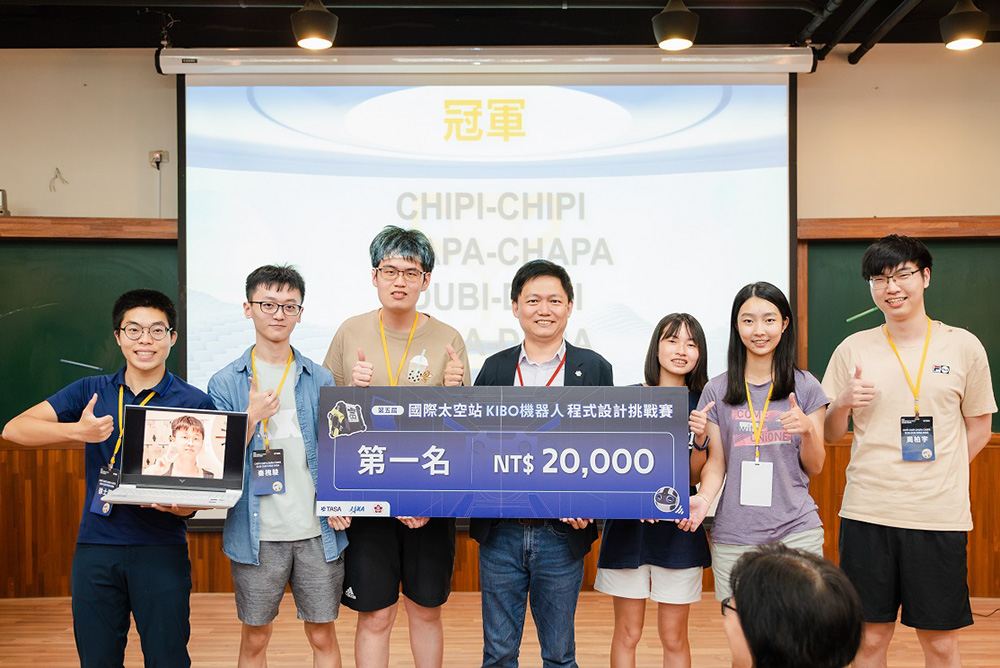
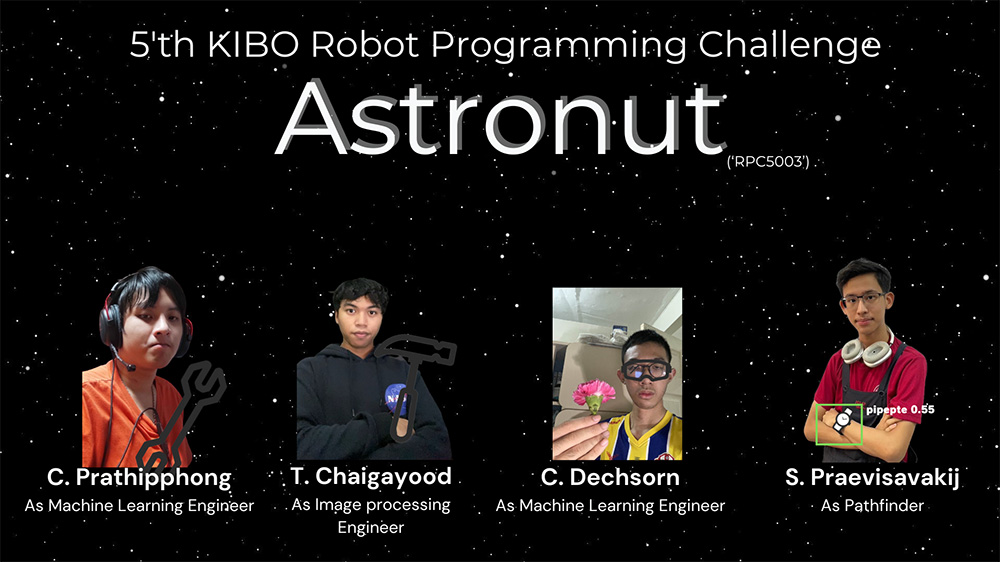
A total of 2,788 students comprising 661 teams from 35 countries/region
has participated in the Kibo-RPC.
has participated in the Kibo-RPC.
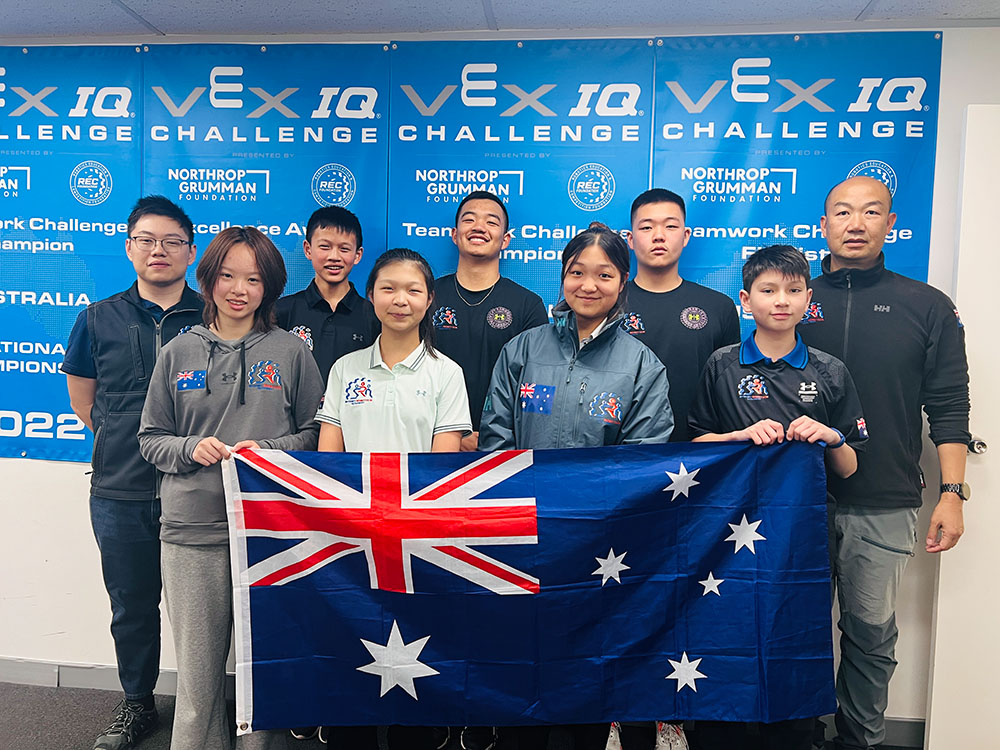
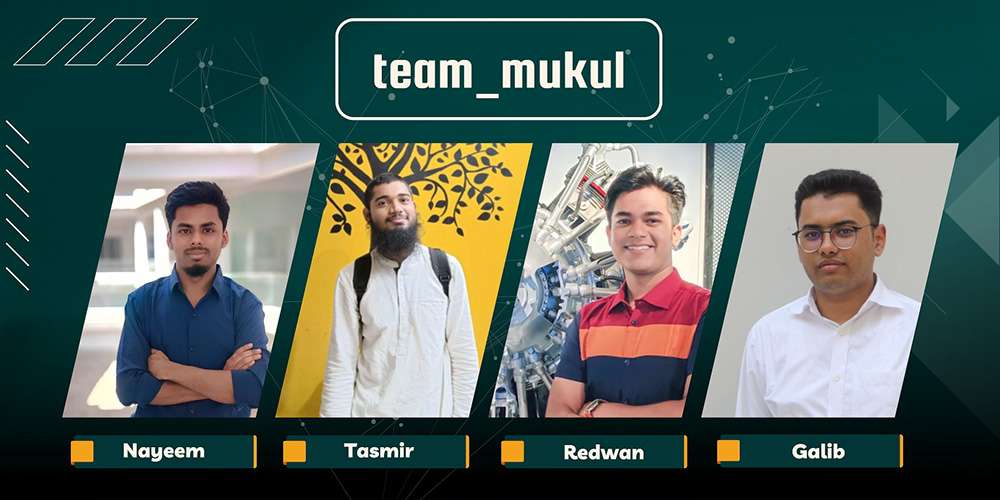
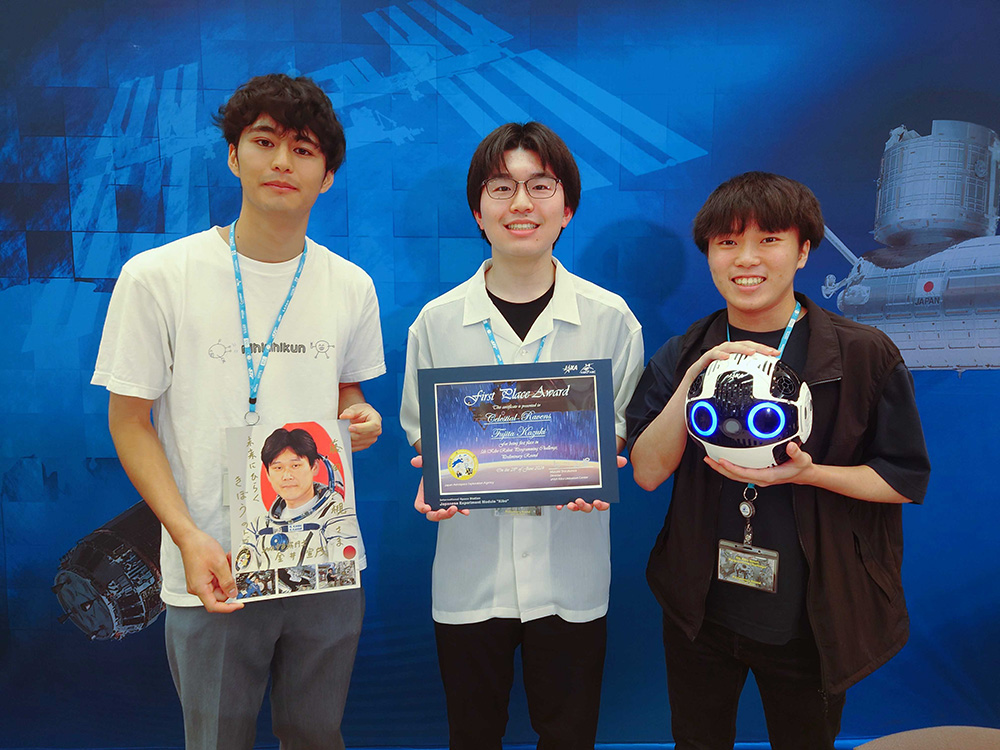
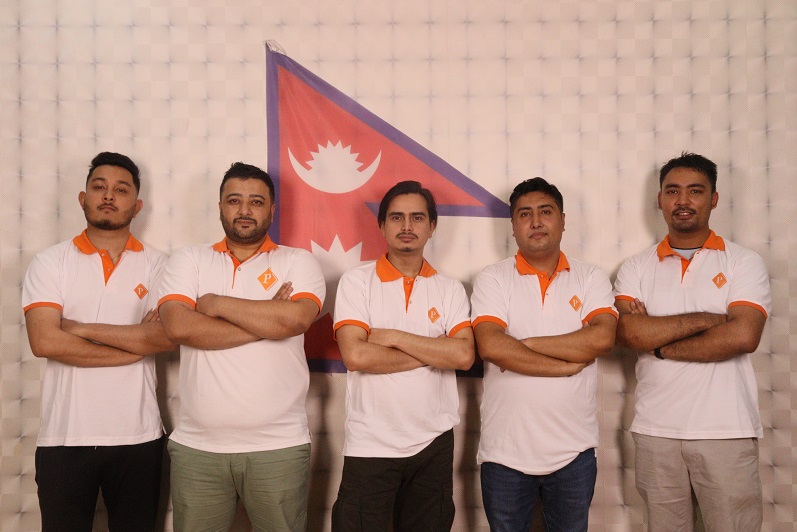
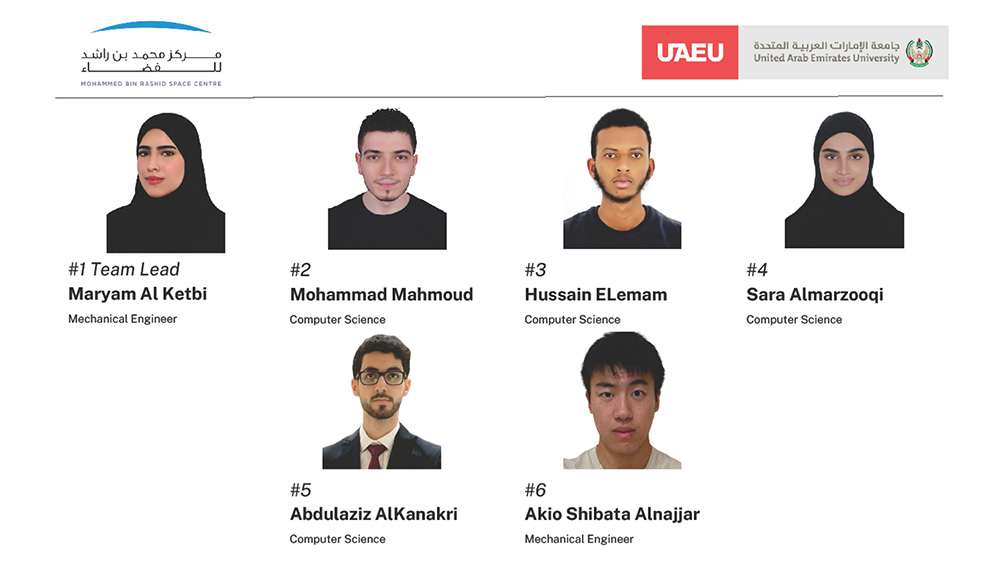
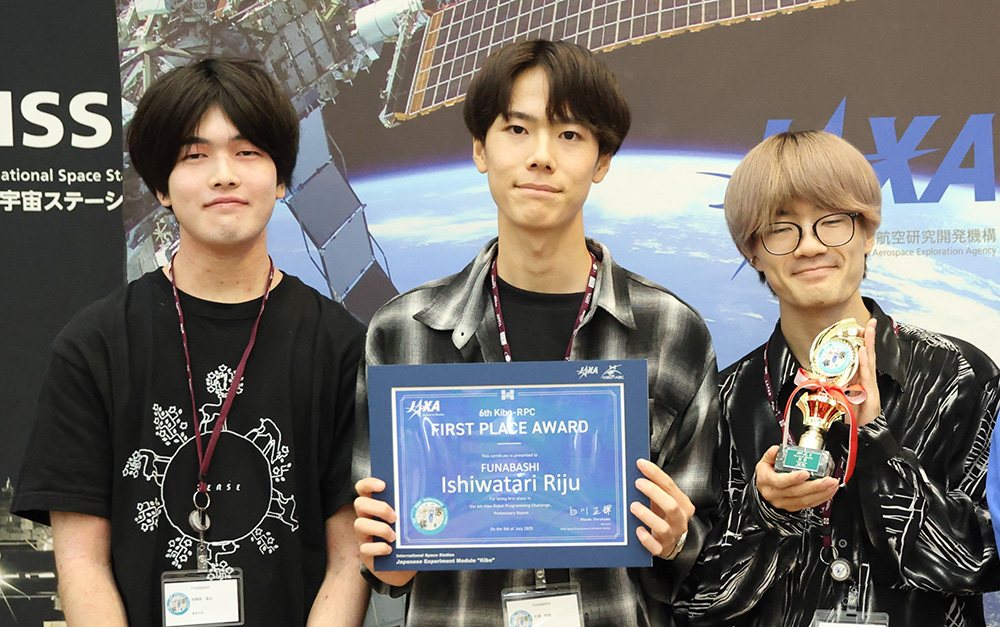
6th Kibo-RPC

2025
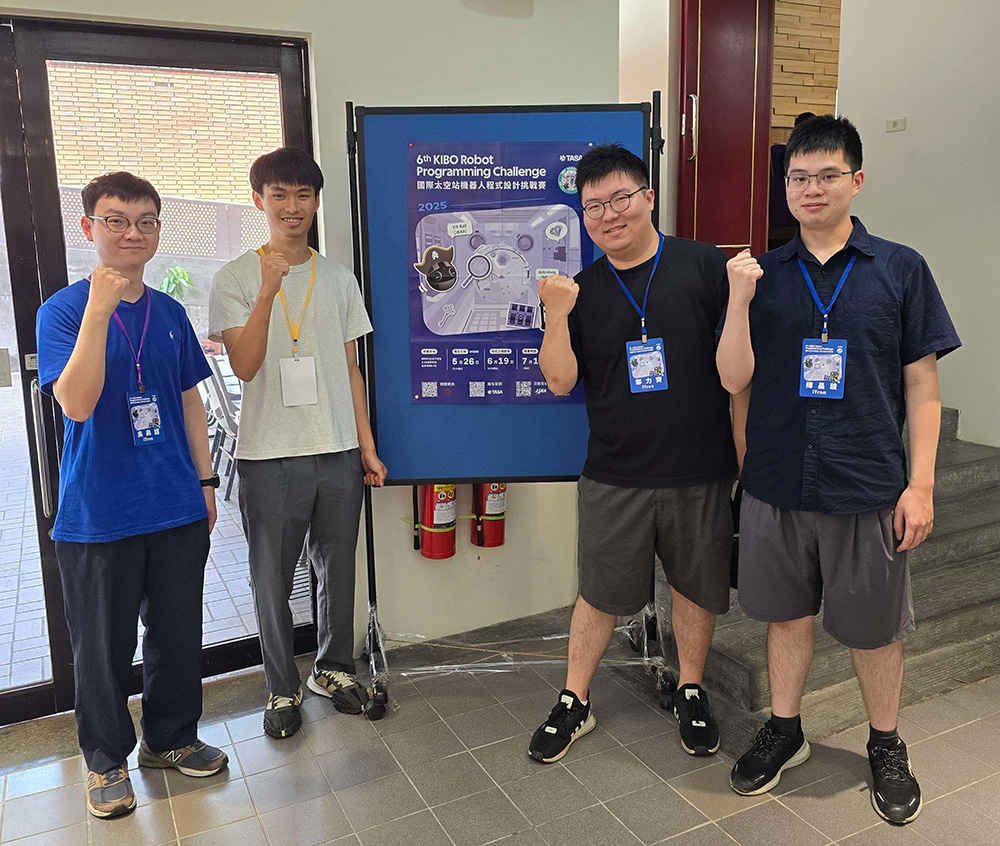
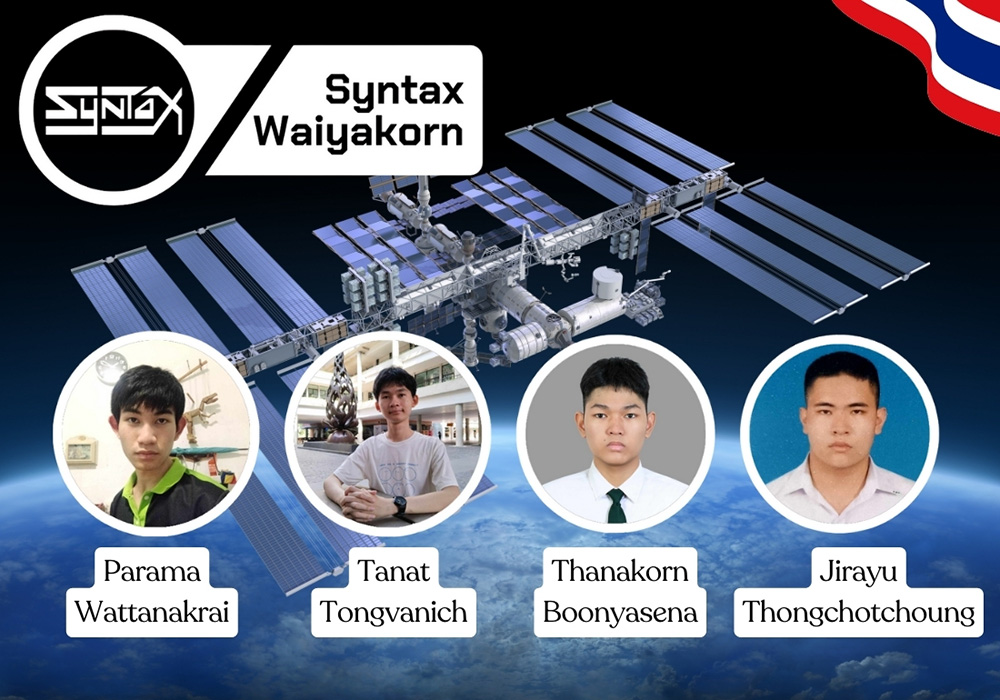
A total of 3,082 students comprising 738 teams from thirteen countries/region
has participated in the Kibo-RPC.
has participated in the Kibo-RPC.

Robot Introduction


© NASA
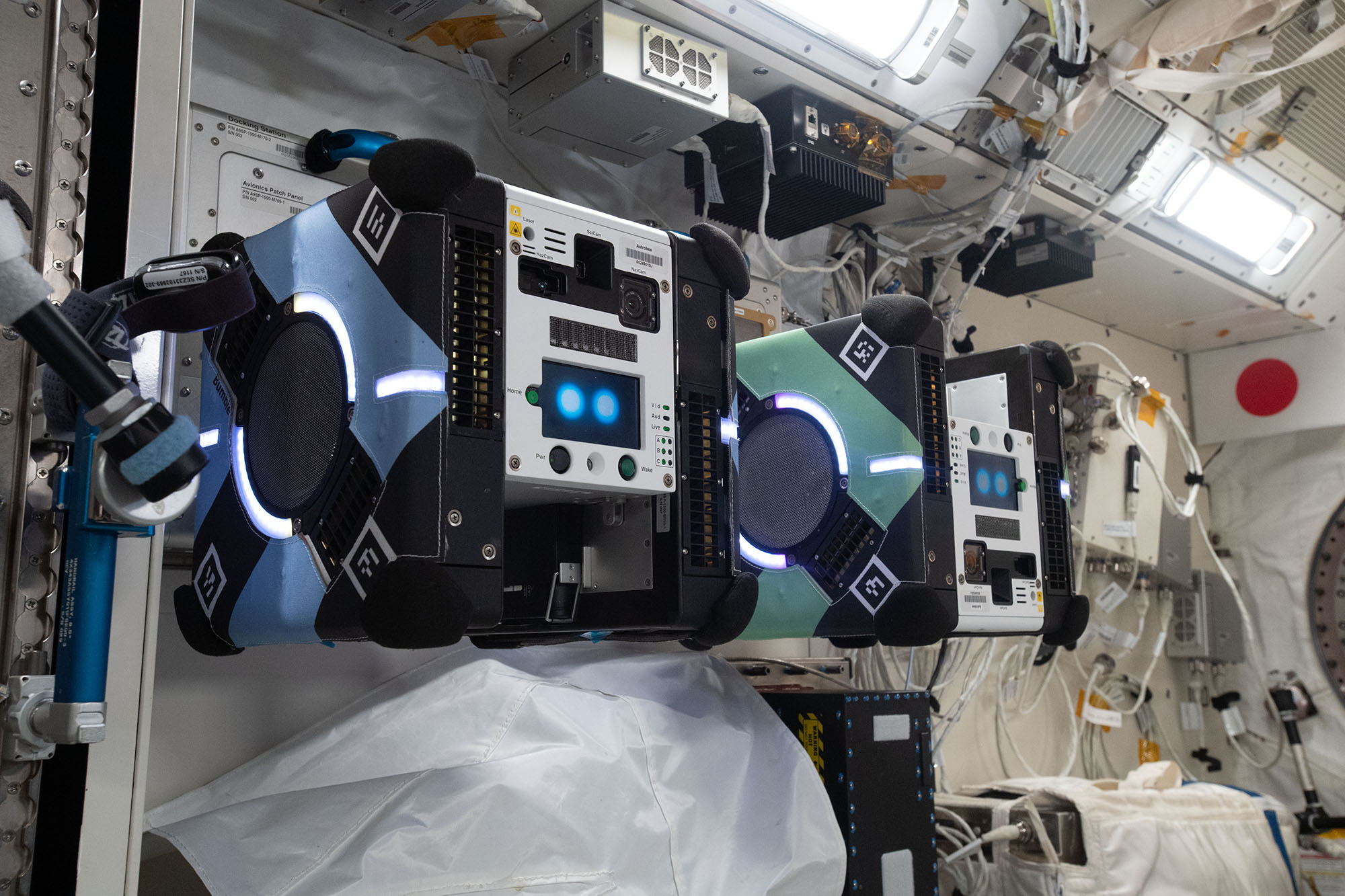
Astrobee
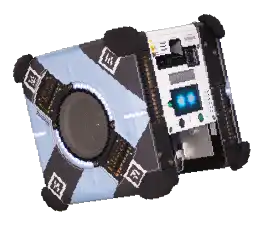
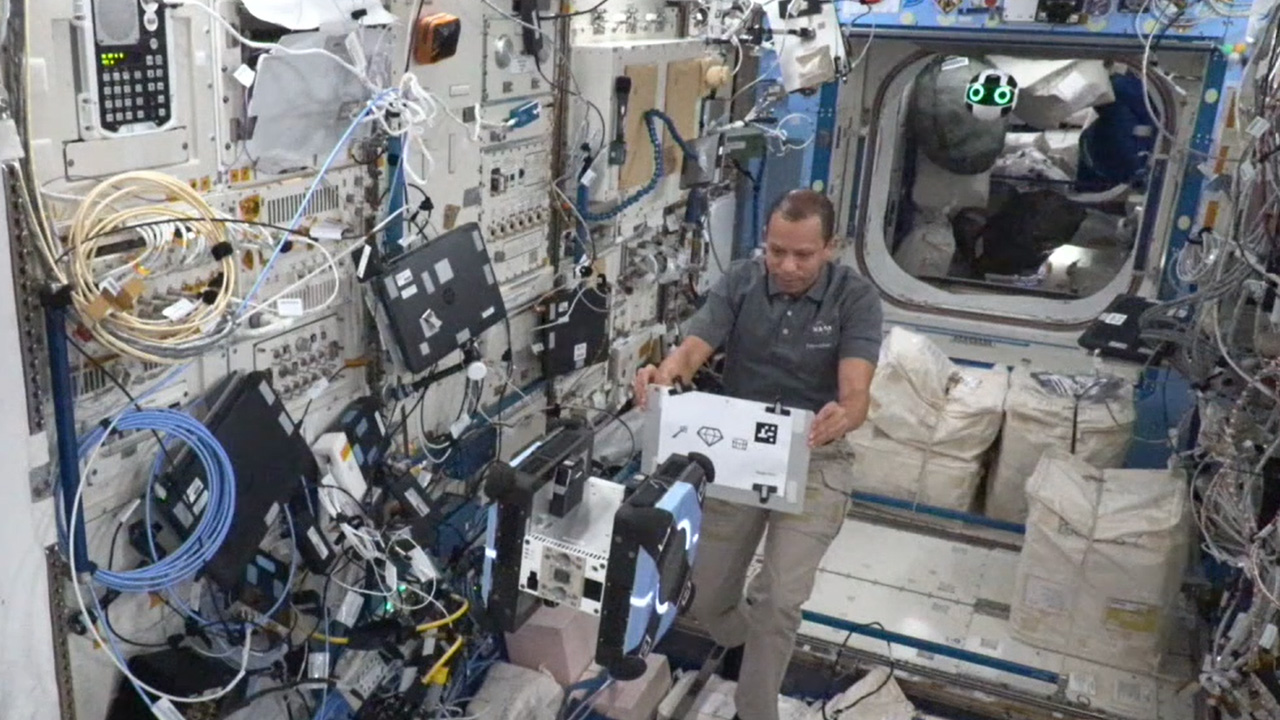
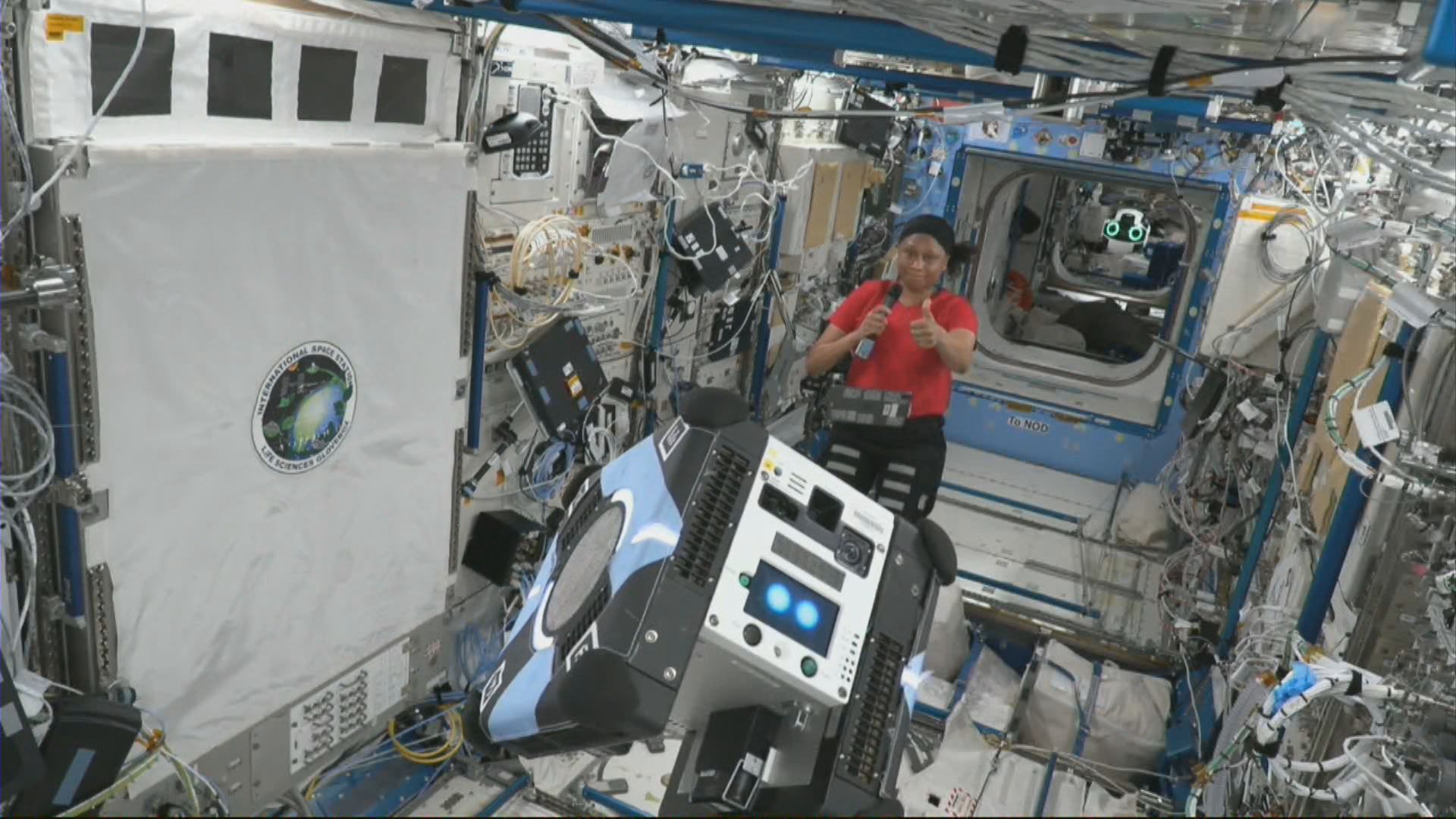
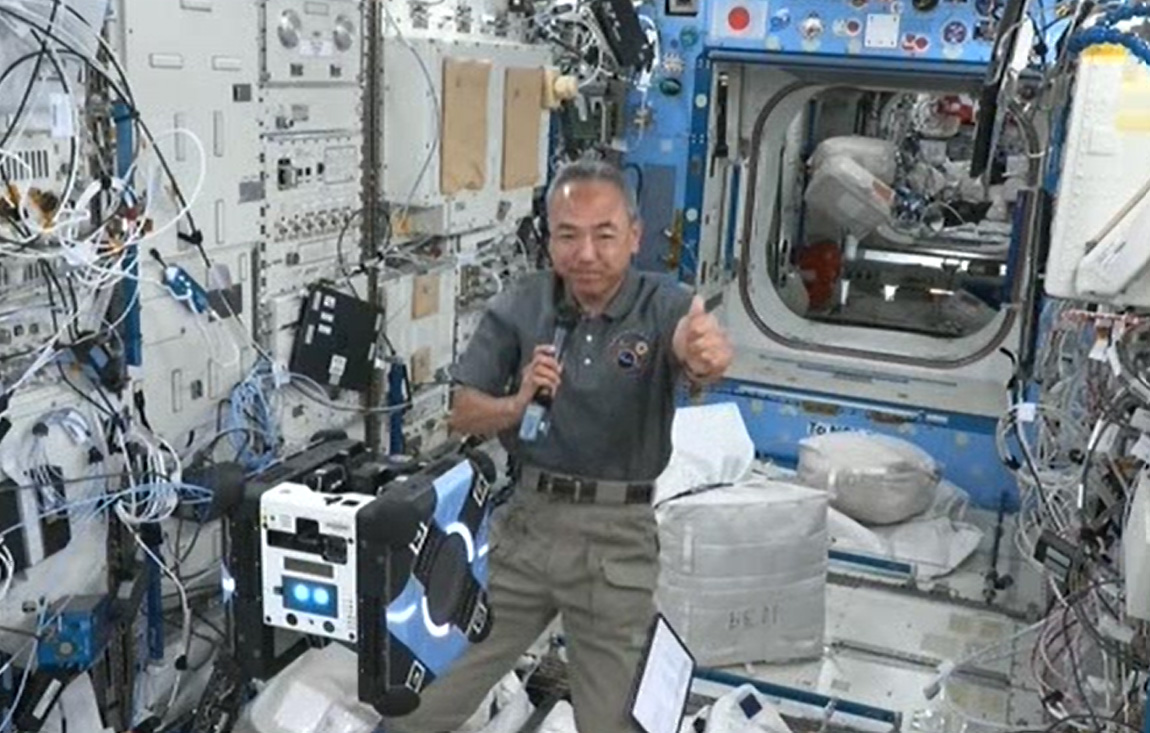
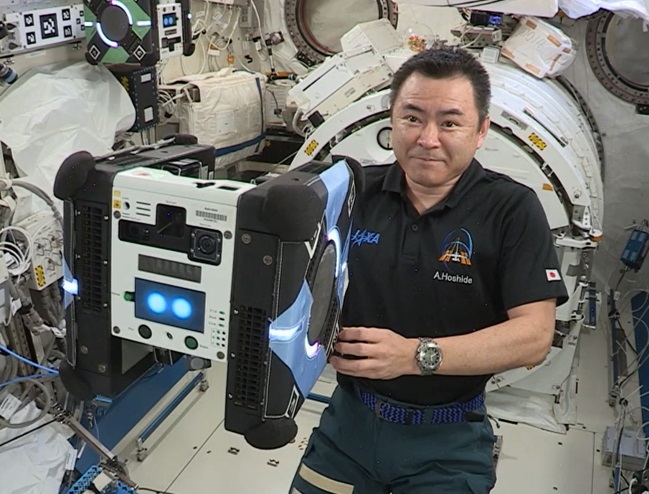
Astrobee, NASA's new free-flying robotic system, will help astronauts reduce the time spent on routine duties, allowing them to focus more on things that only humans can do.


© JAXA / NASA
Int-Ball
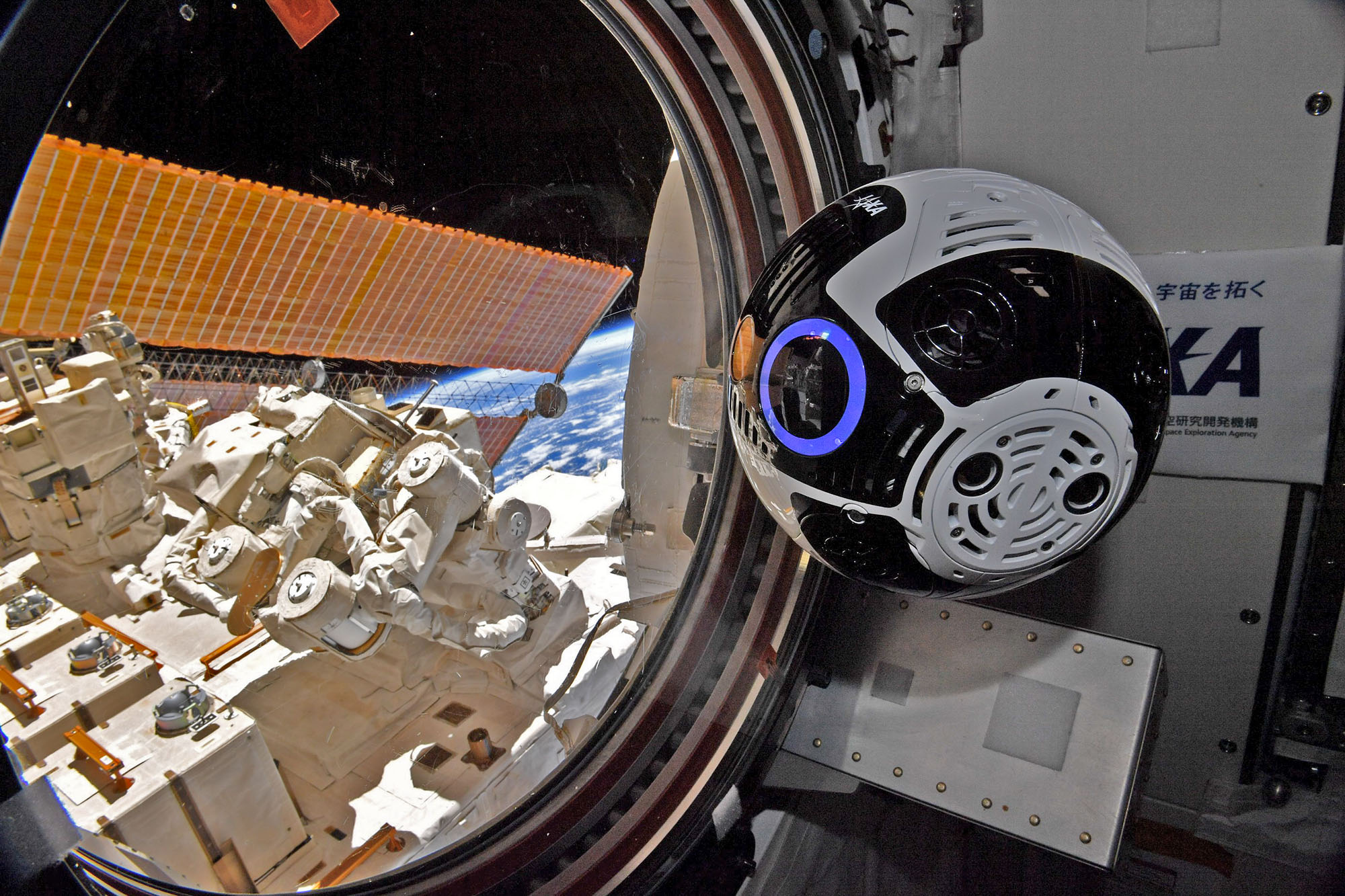
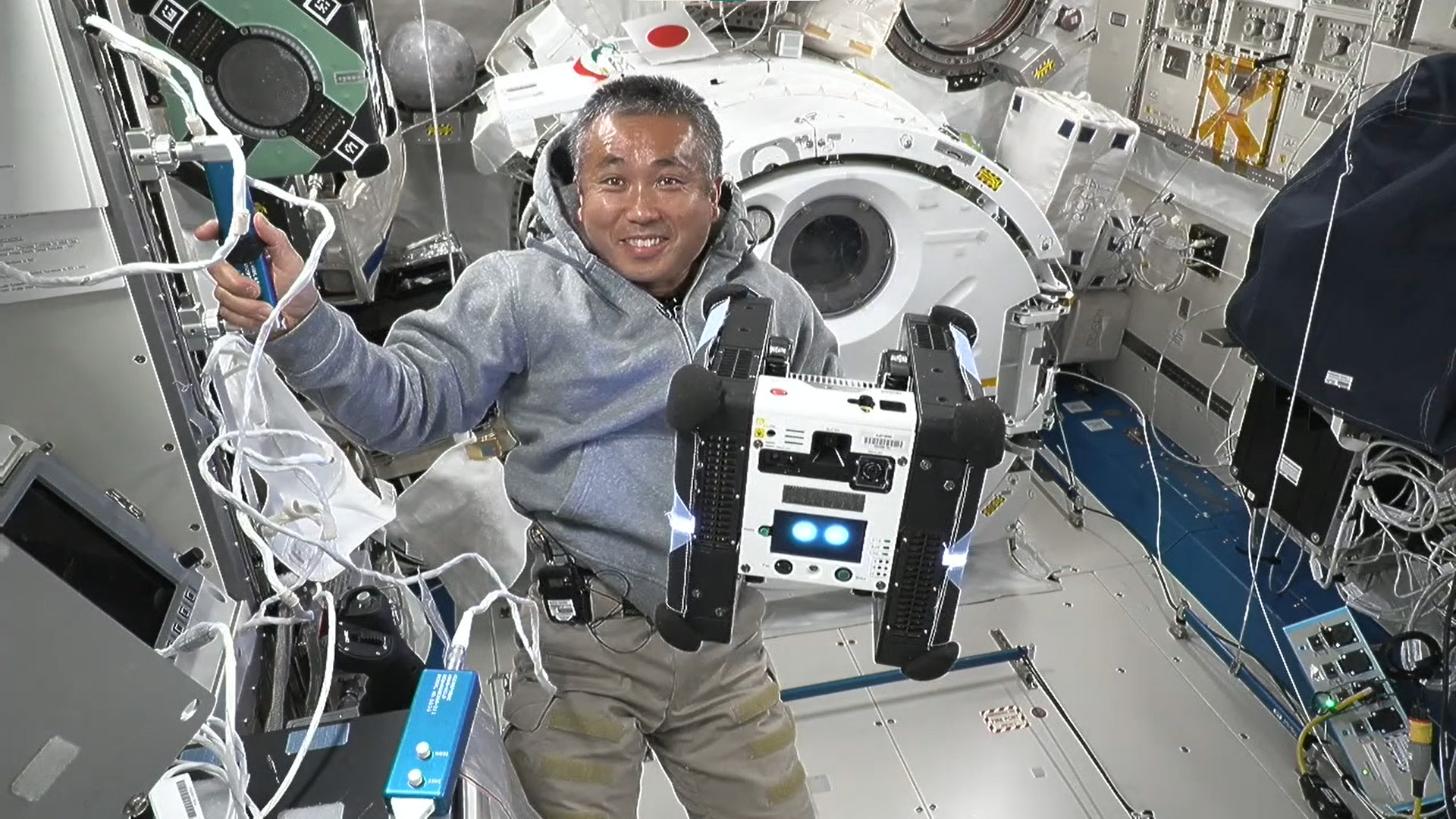
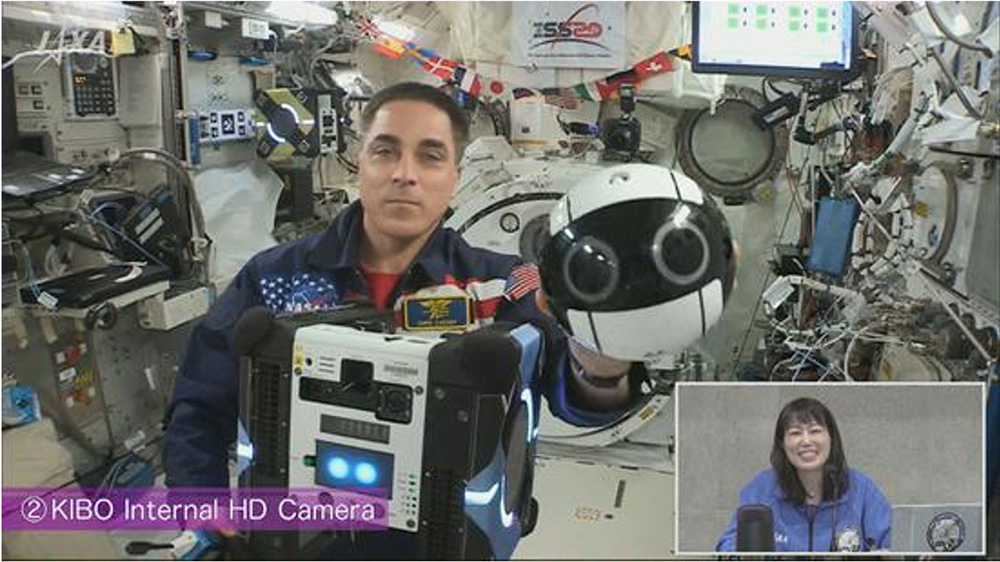
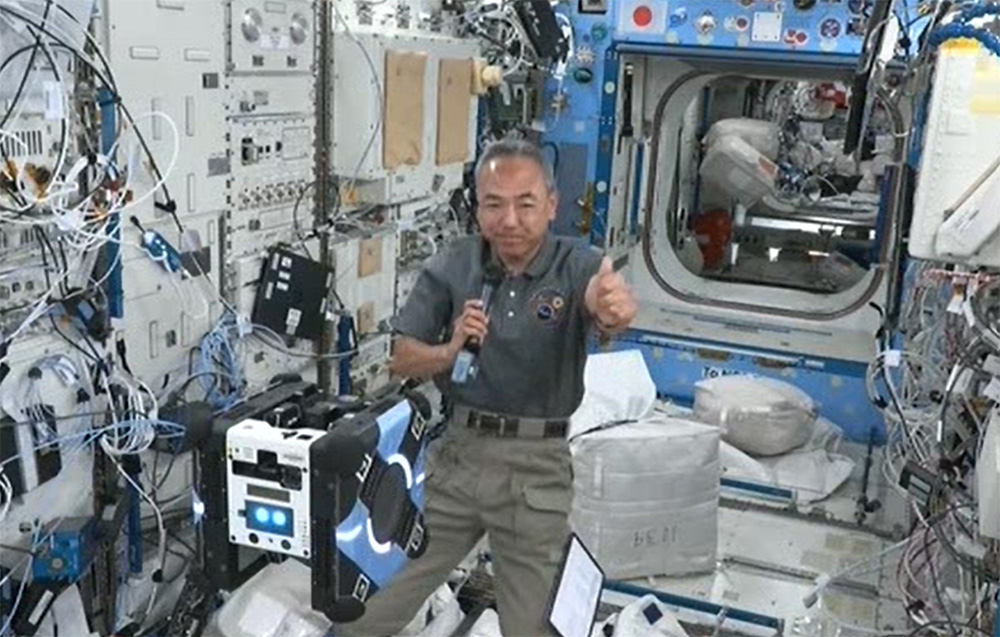
Int-Ball is a free-flying camera robot aiming to ultimately reduce crew time to zero for routine video-shooting tasks by crew in ISS/Kibo.